Samenvatting
In the rapidly evolving domain of artificial intelligence, large language models have shown significant progress in generating text for creative applications, including humor. However, they lack the controllability, efficiency and explainability which symbolic AI methods offer. In this thesis, we explore how symbolic and subsymbolic AI methods can be used, extended and integrated for applications in creative AI, particularly for Dutch humor, while also going beyond that. To achieve this, the thesis tackles three challenges: 1) adapting symbolic generative techniques for creative and humor-related tasks; 2) creating high-performance general Dutch language models and making them capable of executing humor-related tasks; and 3) integrating neural and symbolic paradigms for enhanced performance and scalability.
This thesis presents a set of novel methods, models and frameworks to meet these challenges. The first challenge is addressed through augmentations to existing symbolic text generators such as templates, grammars and Markov chains, enhancing their adaptability, learnability and stylistic control for creative and humor-focused imitative text generation. These methods led to several practical implementations, such as Twitterbots and a slideshow generator, which serve as proofs of concept and evaluation methods. For the second challenge, we introduce several state-of-the-art Dutch large language models called the RobBERT models. Using these, we show how they can detect humor and be used with symbolic methods to generate humor. For the final challenge, this thesis introduces DeepStochLog, a framework that integrates stochastic definite clause grammars with neural network capabilities, providing a high-performance framework for scalable neuro-symbolic logic programming.
Our empirical findings show that the extended symbolic generators are effective in creative contexts and that the generated slideshows are quality-wise on par with human-created ones. The RobBERT language models achieved outstanding state-of-the-art results on most Dutch language tasks and also surpassed other models at humor detection. Moreover, DeepStochLog exhibits state-of-the-art performance on most neuro-symbolic tasks while displaying higher scalability than existing methods.
In summary, this research demonstrates the continuing relevance of symbolic methods in the modern generative landscape and offers significant contributions to the Dutch natural language processing community through the RobBERT models. The introduction of the DeepStochLog framework provides a new view on integrating logic and neural networks using the more scalable grammar semantics, thereby laying the foundation for the future interplay between symbolic and neural systems. This thesis thus lays the groundwork for future endeavors at the intersection of neural and symbolic paradigms, opening new avenues for creative and humorous applications in artificial intelligence.
Referentie
@phdthesis{winters2023phdthesis,
author = {Winters, Thomas},
language = {eng},
title = {Neuro-Symbolic Creative Artificial Intelligence for Humor},
school={KU Leuven},
year = {2023},
abstract = {In the rapidly evolving domain of artificial intelligence, large language models have shown significant progress in generating text for creative applications, including humor. However, they lack the controllability, efficiency and explainability which symbolic AI methods offer. In this thesis, we explore how symbolic and subsymbolic AI methods can be used, extended and integrated for applications in creative AI, particularly for Dutch humor, while also going beyond that. To achieve this, the thesis tackles three challenges: 1) adapting symbolic generative techniques for creative and humor-related tasks; 2) creating high-performance general Dutch language models and making them capable of executing humor-related tasks; and 3) integrating neural and symbolic paradigms for enhanced performance and scalability.
This thesis presents a set of novel methods, models and frameworks to meet these challenges. The first challenge is addressed through augmentations to existing symbolic text generators such as templates, grammars and Markov chains, enhancing their adaptability, learnability and stylistic control for creative and humor-focused imitative text generation. These methods led to several practical implementations, such as Twitterbots and a slideshow generator, which serve as proofs of concept and evaluation methods. For the second challenge, we introduce several state-of-the-art Dutch large language models called the RobBERT models. Using these, we show how they can detect humor and be used with symbolic methods to generate humor. For the final challenge, this thesis introduces DeepStochLog, a framework that integrates stochastic definite clause grammars with neural network capabilities, providing a high-performance framework for scalable neuro-symbolic logic programming.
Our empirical findings show that the extended symbolic generators are effective in creative contexts and that the generated slideshows are quality-wise on par with human-created ones. The RobBERT language models achieved outstanding state-of-the-art results on most Dutch language tasks and also surpassed other models at humor detection. Moreover, DeepStochLog exhibits state-of-the-art performance on most neuro-symbolic tasks while displaying higher scalability than existing methods.
In summary, this research demonstrates the continuing relevance of symbolic methods in the modern generative landscape and offers significant contributions to the Dutch natural language processing community through the RobBERT models. The introduction of the DeepStochLog framework provides a new view on integrating logic and neural networks using the more scalable grammar semantics, thereby laying the foundation for the future interplay between symbolic and neural systems. This thesis thus lays the groundwork for future endeavors at the intersection of neural and symbolic paradigms, opening new avenues for creative and humorous applications in artificial intelligence.},

} Verwante lezingen

Verwante projecten
-
 Babbly 2014 Een programmeertaal om efficiënt complexe tekstgeneratoren te bouwen
-
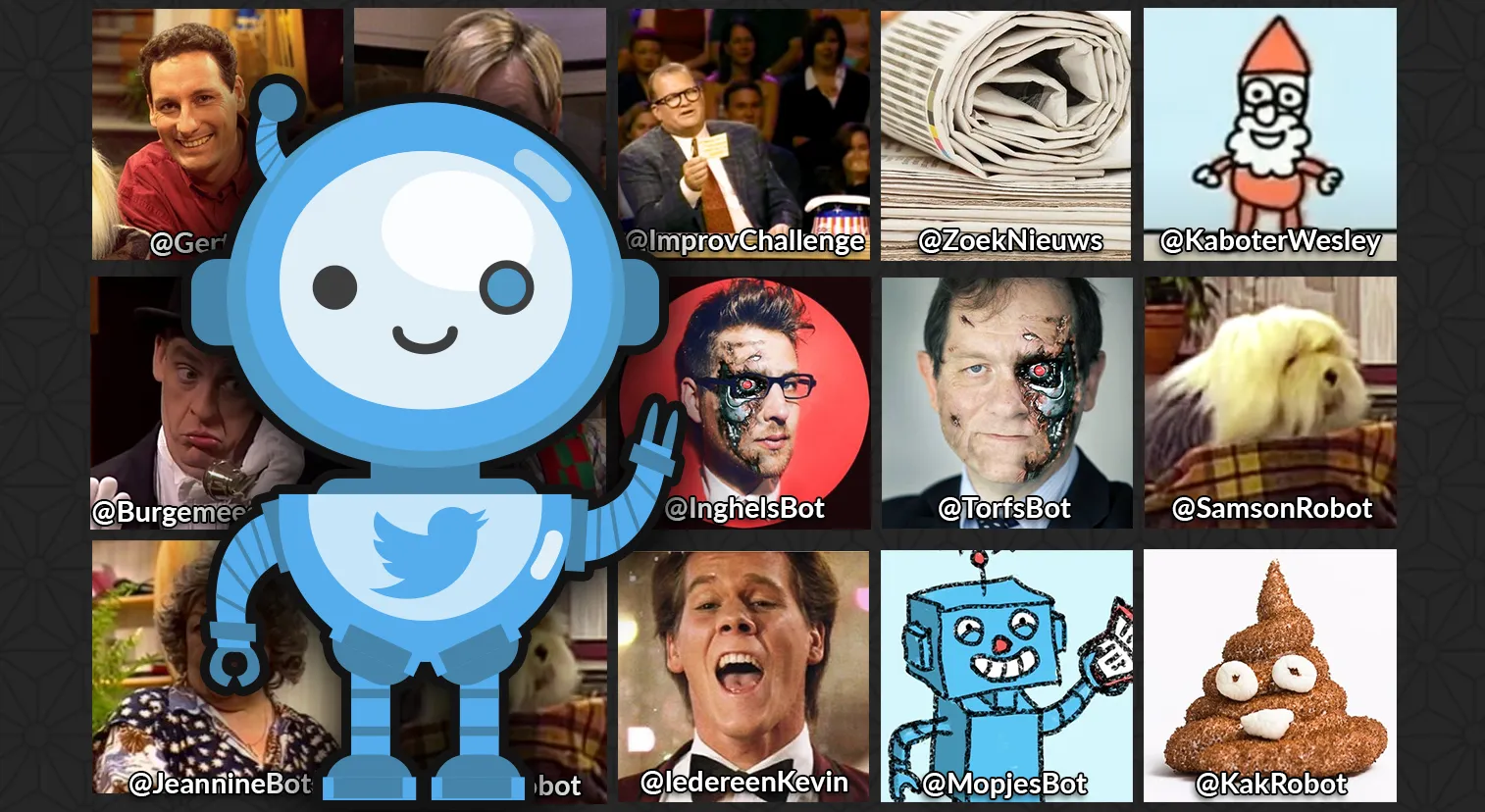 Twitterbots 2015 Allerlei kleine Twitterbots, vooral humoristische
-
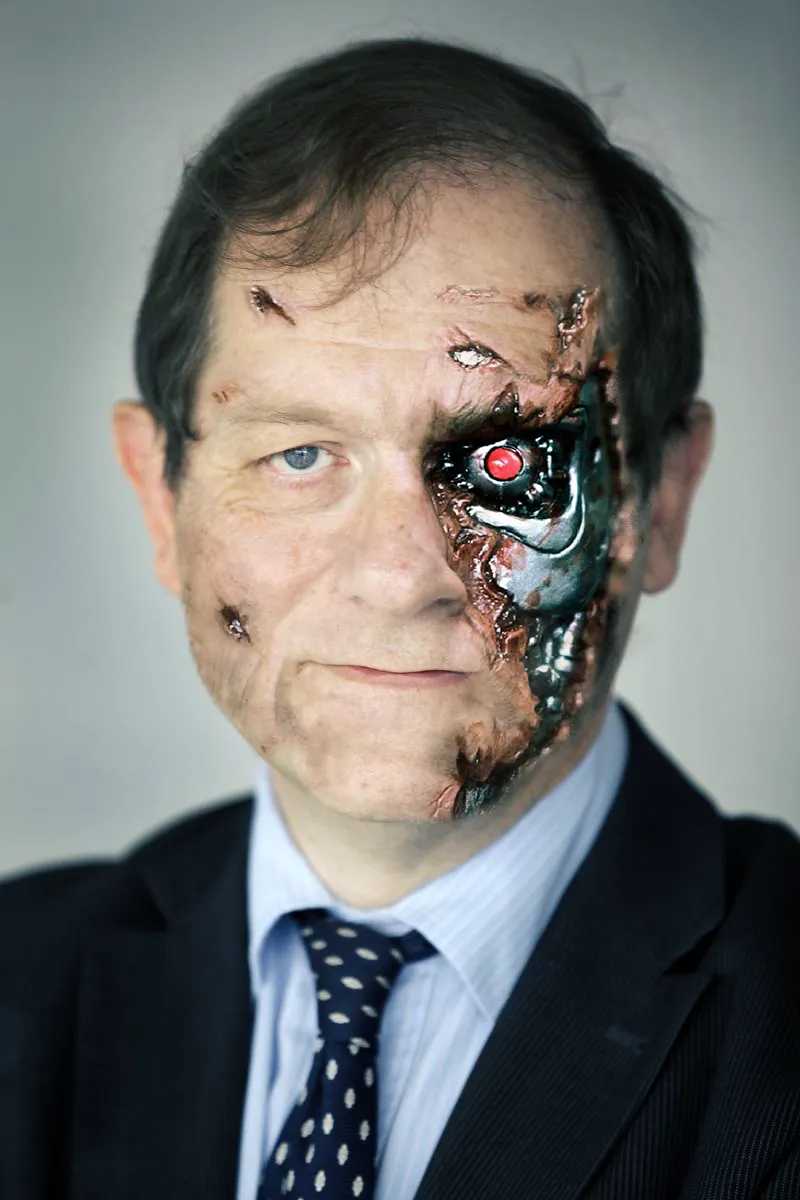 TorfsBot 2016 Twitterbot die automatisch Rik Torfs (ex-rector van de KU Leuven) imiteerde, en per ongeluk de populairste Twitterbot van België werd
-
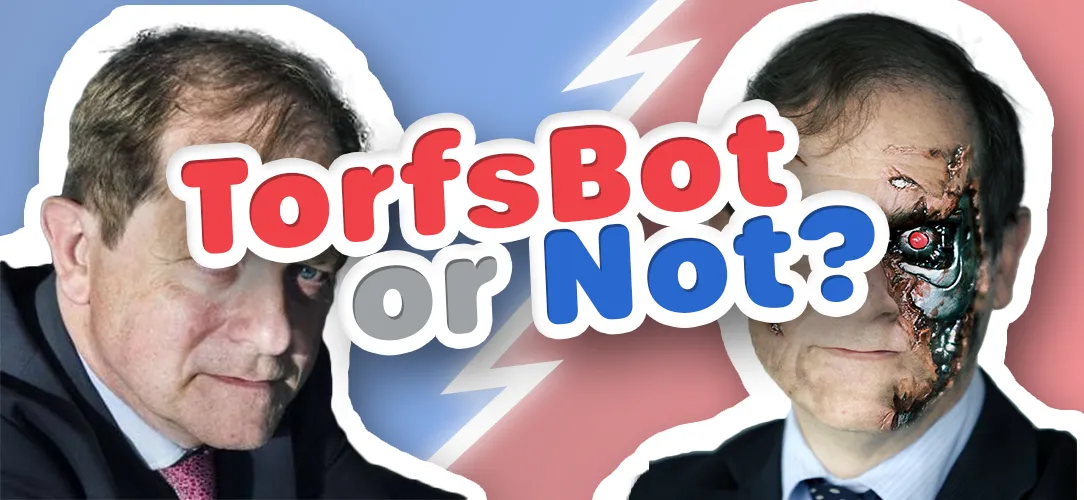 TorfsBot Or Not? 2022 Is de tweet van Rik Torfs of van TorfsBot? Een dagelijkse Turingtest op Twitter
-
 Talk Generator 2018 Automatisch slides maken over eender welk onderwerp
-
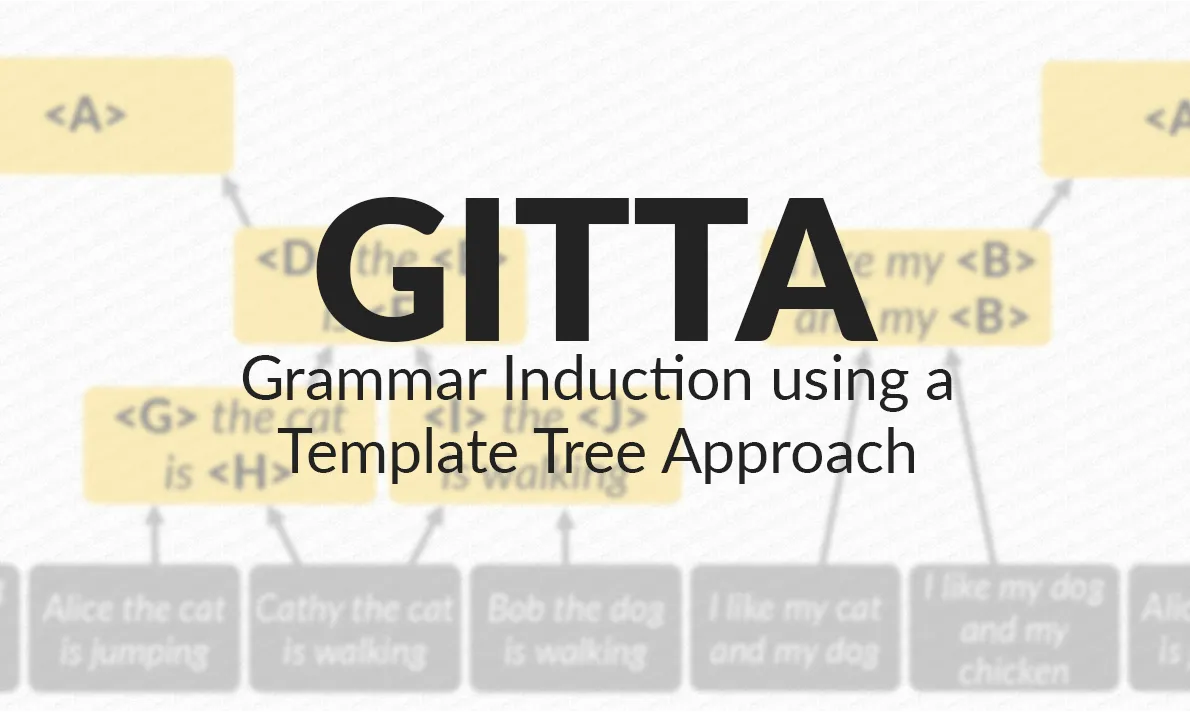 GITTA 2020 Tekststructuren ontdekken om er generatoren mee te maken
-
 RobBERT 2020 Een van de eerste grote Nederlandse taalmodellen, en jarenlang het beste voor de meeste Nederlandse taaltaken
-
 Humordetectie met RobBERT 2020 Moppen onderscheiden van gegenereerde niet-moppen, en zo de eerste Nederlandse humordetectoren bouwen
-
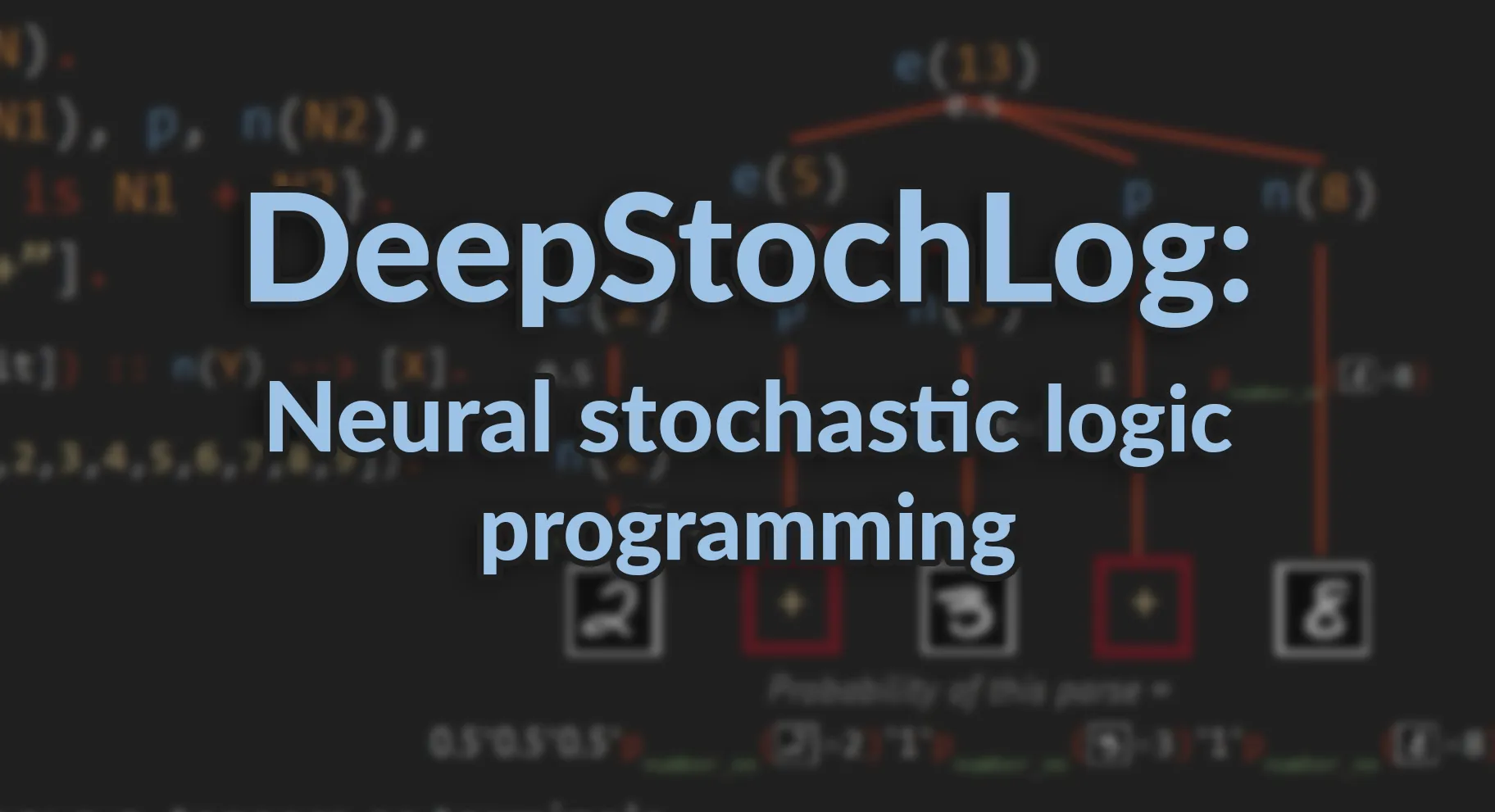 DeepStochLog 2021 Neuraal stochastisch logisch programmeren, gepubliceerd op AAAI 2022