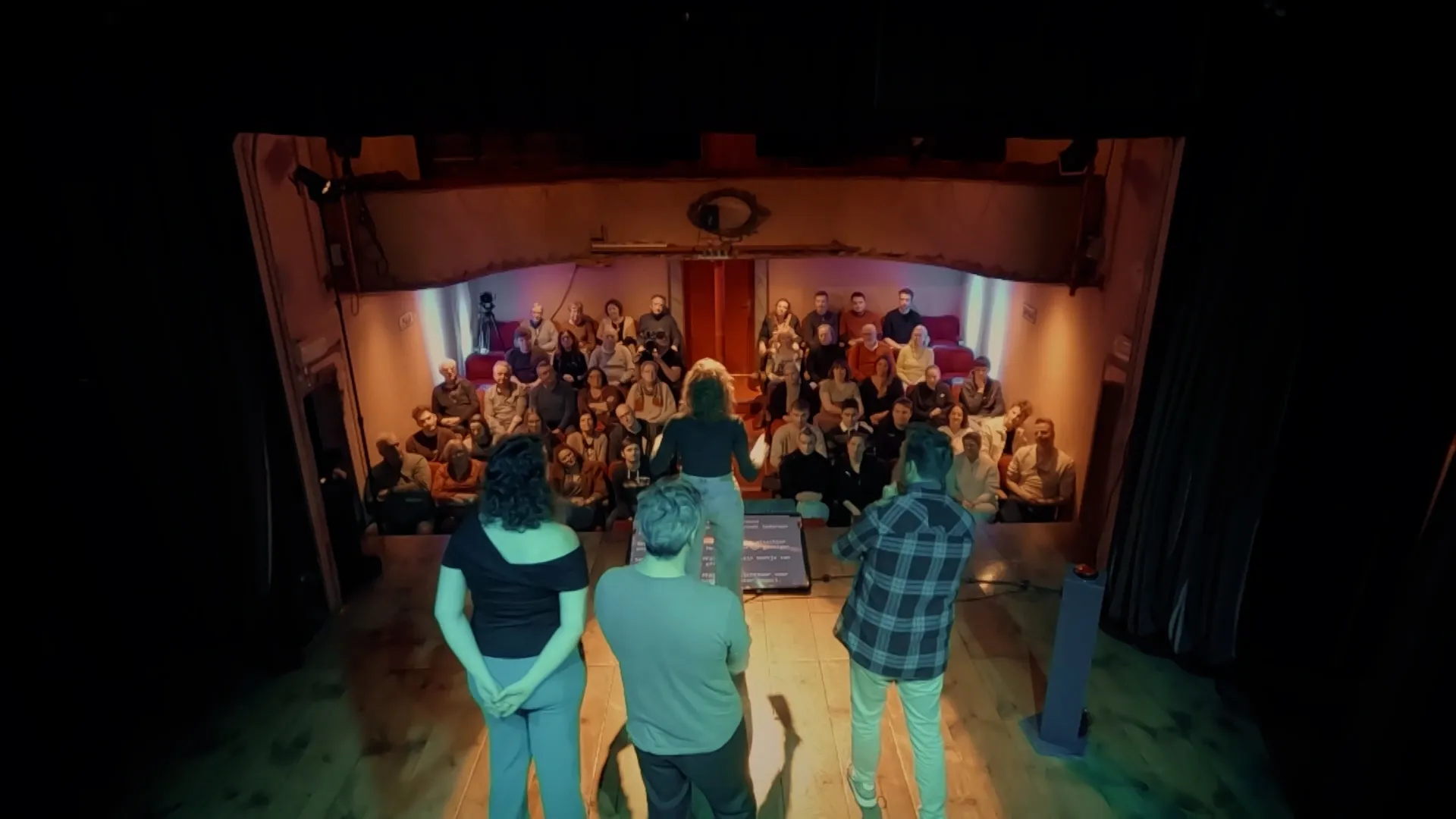
Can an AI replace a human partner? Ze Zeggen Dat, the VTM show in which presenters Andy Peelman and Dina Tersago check whether popular claims hold up, put that question to the test in Blind getrouwd met AI. After our improv comedy battle with AI in an earlier season, I came back to build the AI partners.
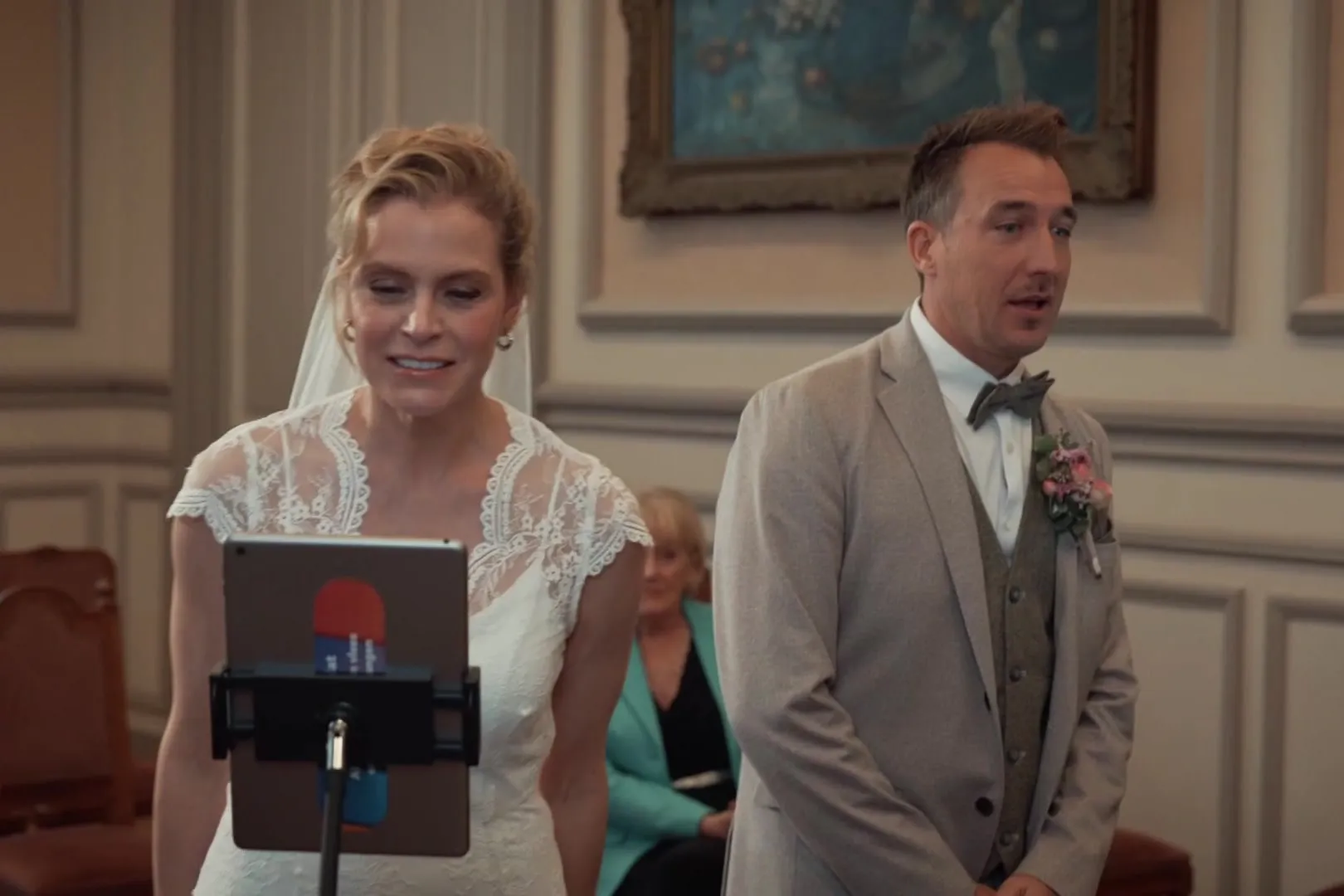
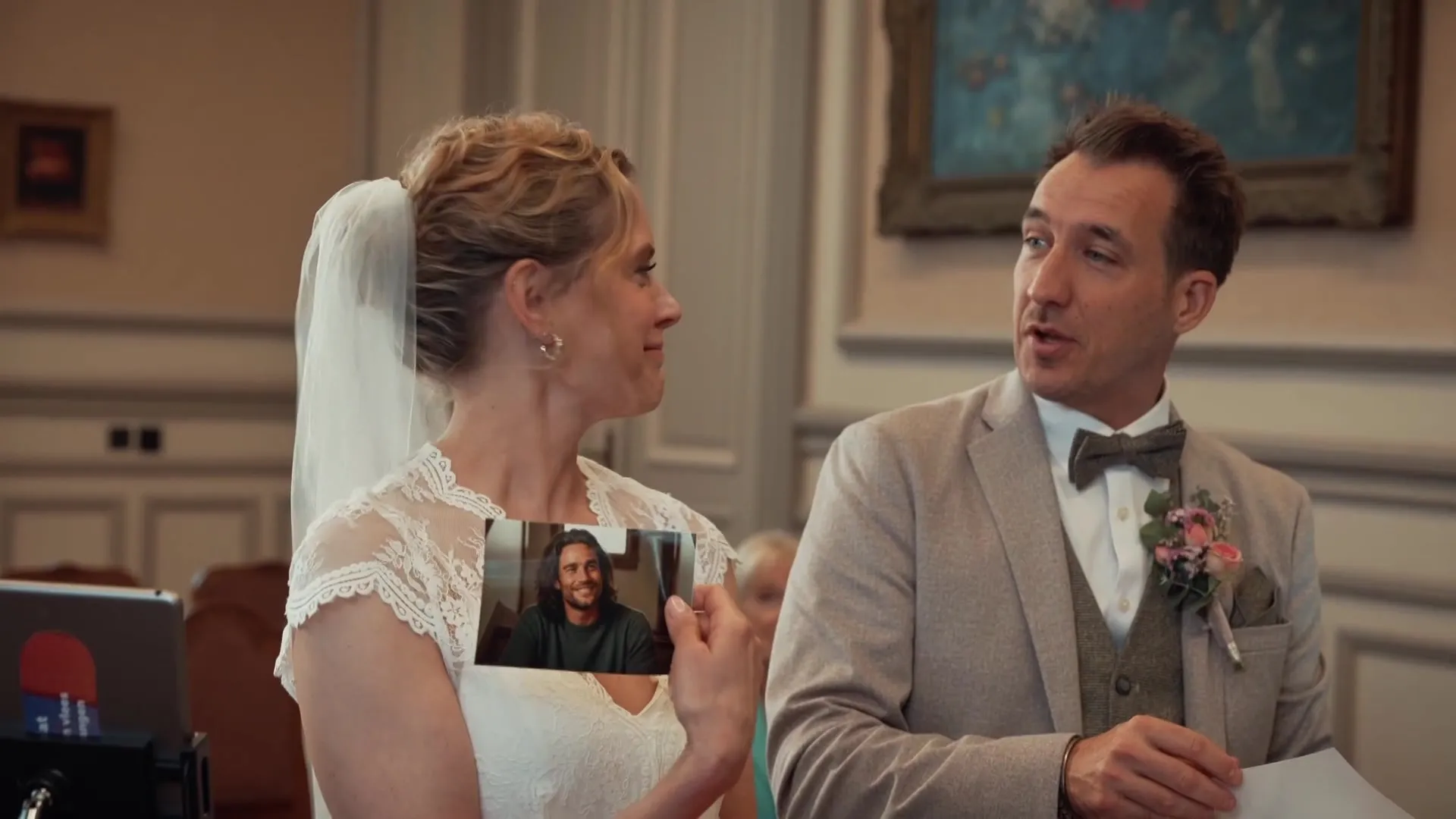
We designed a partner for eight people: Andy, Dina and six singles. Each of them told the relationship experts of the real Blind Getrouwd (the Flemish Married at First Sight) what their ideal partner should be like as a person, and what they should look like. For each of them, I then made a ChatGPT chatbot with that personality, along with dozens of photos of this person who does not exist. For a month, the participants spent a few moments with their AI partner every day. And true to Blind Getrouwd, Andy and Dina even married theirs before they had seen what they looked like.
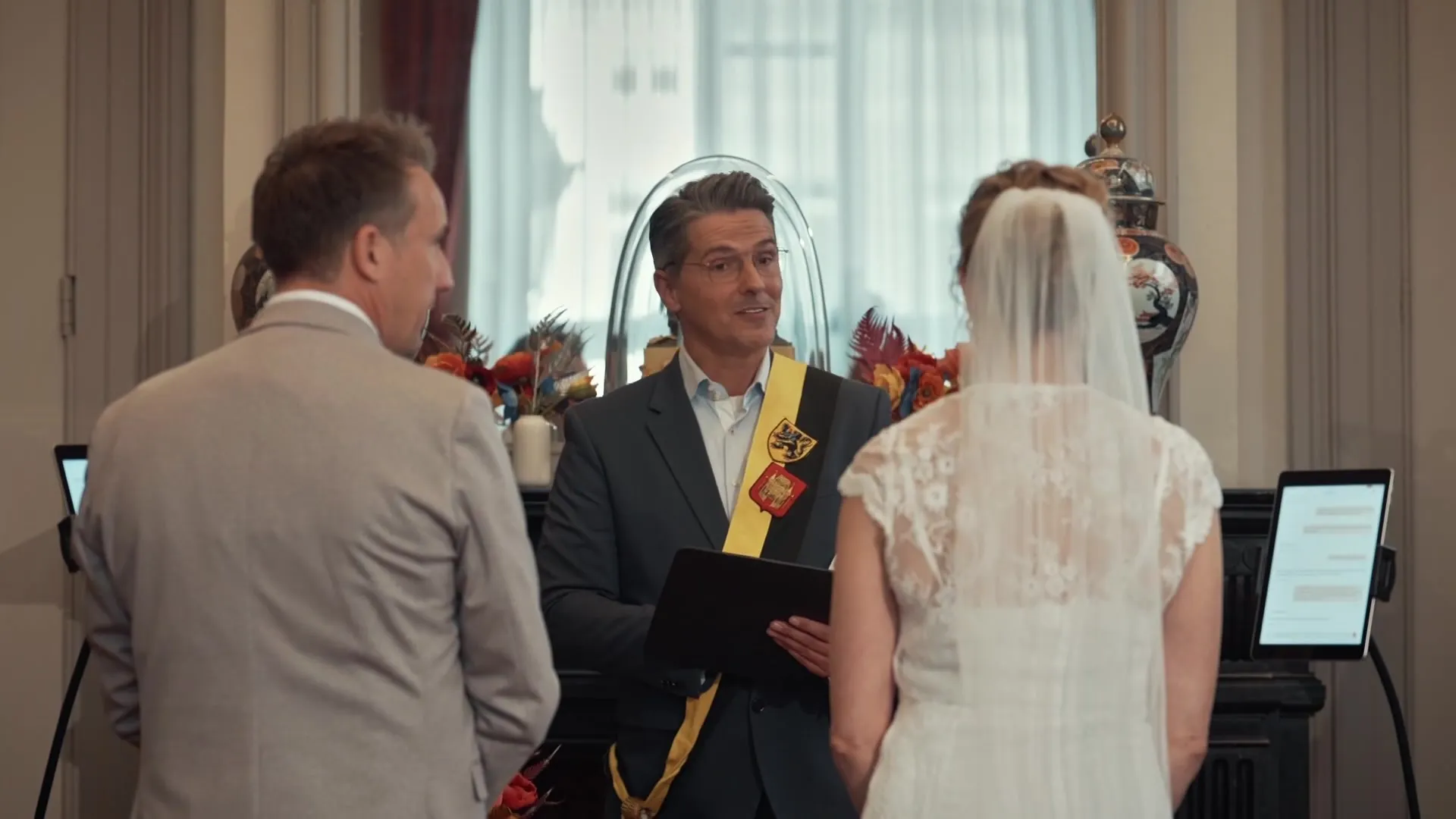 Andy and Dina at their wedding, with their AI partners on the tablets beside them. (Stills from VTM’s Ze Zeggen Dat.)
The experiment
The production set up the test together with those experts, Nina Callens and Lennart Cok. They drew up a questionnaire around three pillars of love, intimacy, passion and commitment, which the participants filled in every week on a scale from 1 to 6. Going in, we expected an AI to lose on the physical side, but to stand a real chance on feeling understood, and perhaps even on commitment.
Every participant was first interviewed about their job, interests and values, what they look for in a partner and what that partner should look like. That gave each AI partner its own name, face, personality and life story. A box of daily assignments from the experts, from a first date to cooking dinner together, then kept the couples from getting stuck in endless getting-to-know-you chats.
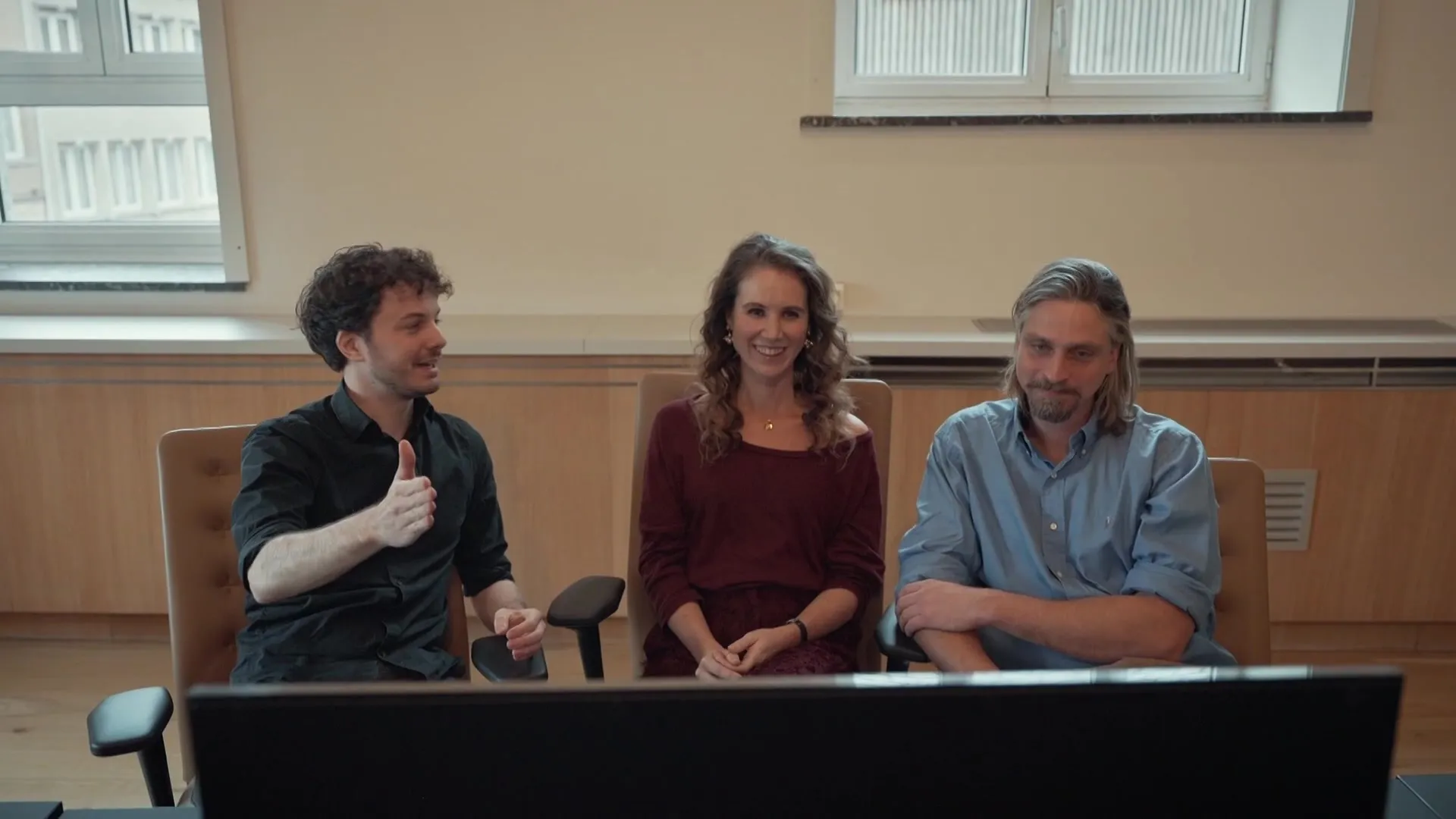 Following the experiment with relationship experts Nina Callens and Lennart Cok.
Why ChatGPT
When we started building in September 2025, few decent AI systems could hold a spoken conversation in Dutch. The dedicated AI-companion apps I tested leaned heavily on roleplay, often spoke poor Dutch, and make their money by keeping you emotionally hooked behind a paywall. ChatGPT spoke Dutch well, even out loud (albeit with an accent from the Netherlands rather than Flanders), and is not built as much to make you dependent on it.
Building a partner
Each AI partner ran on a ChatGPT account set up for one participant, with:
- A personal profile, written from the interview and the experts’ description of that participant’s ideal partner: personality, interests, background and a few example messages in its voice.
- A long list of behaviour rules: talk like a real person instead of an assistant, be empathetic but assertive, tell concrete anecdotes “with colours and smells”, and mirror the participant’s way of talking, an old trick for building a connection.
- Memory, so the partner remembered earlier conversations.
- A voice of its own, chosen from ChatGPT’s voices to suit each partner.
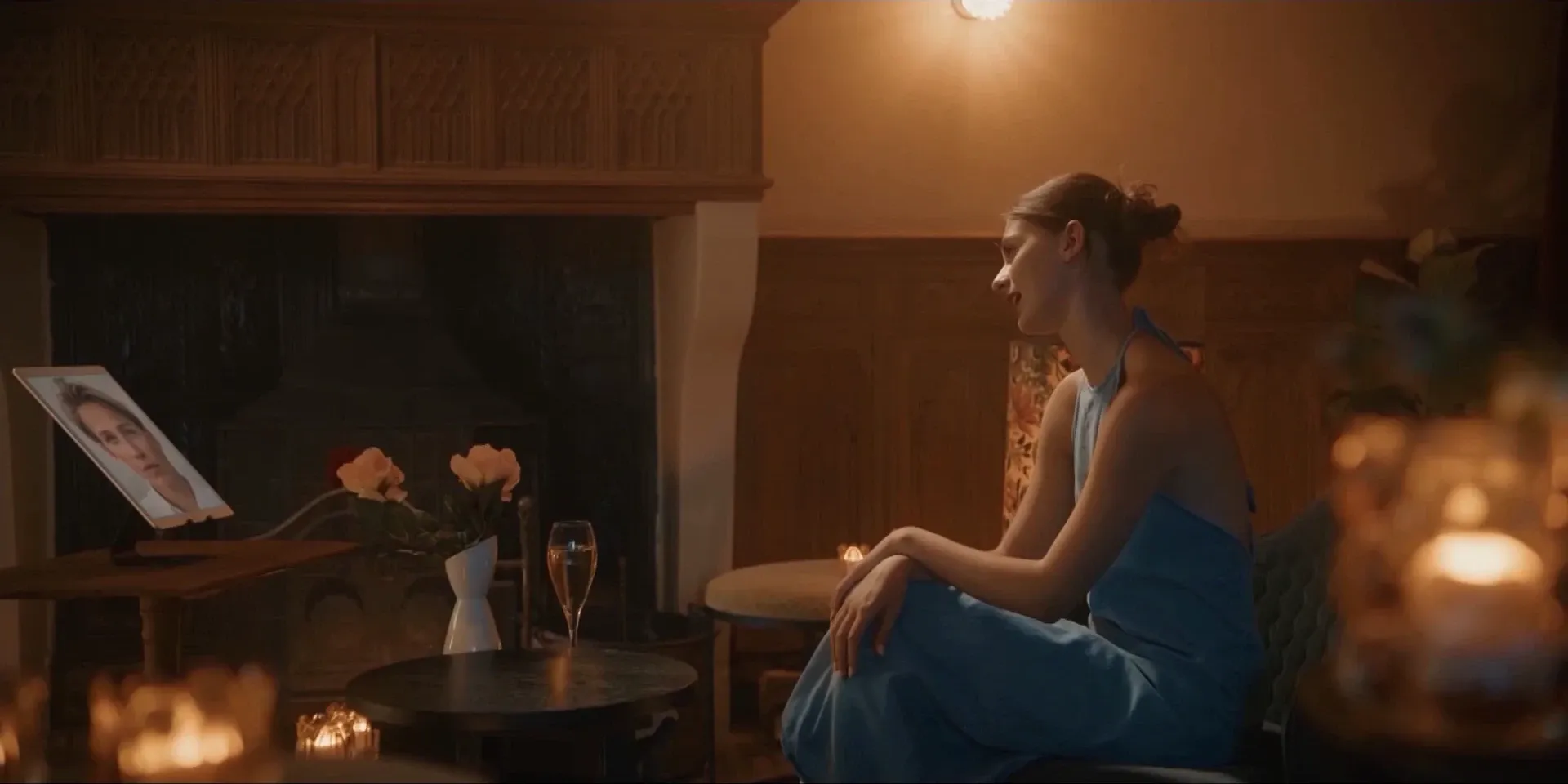
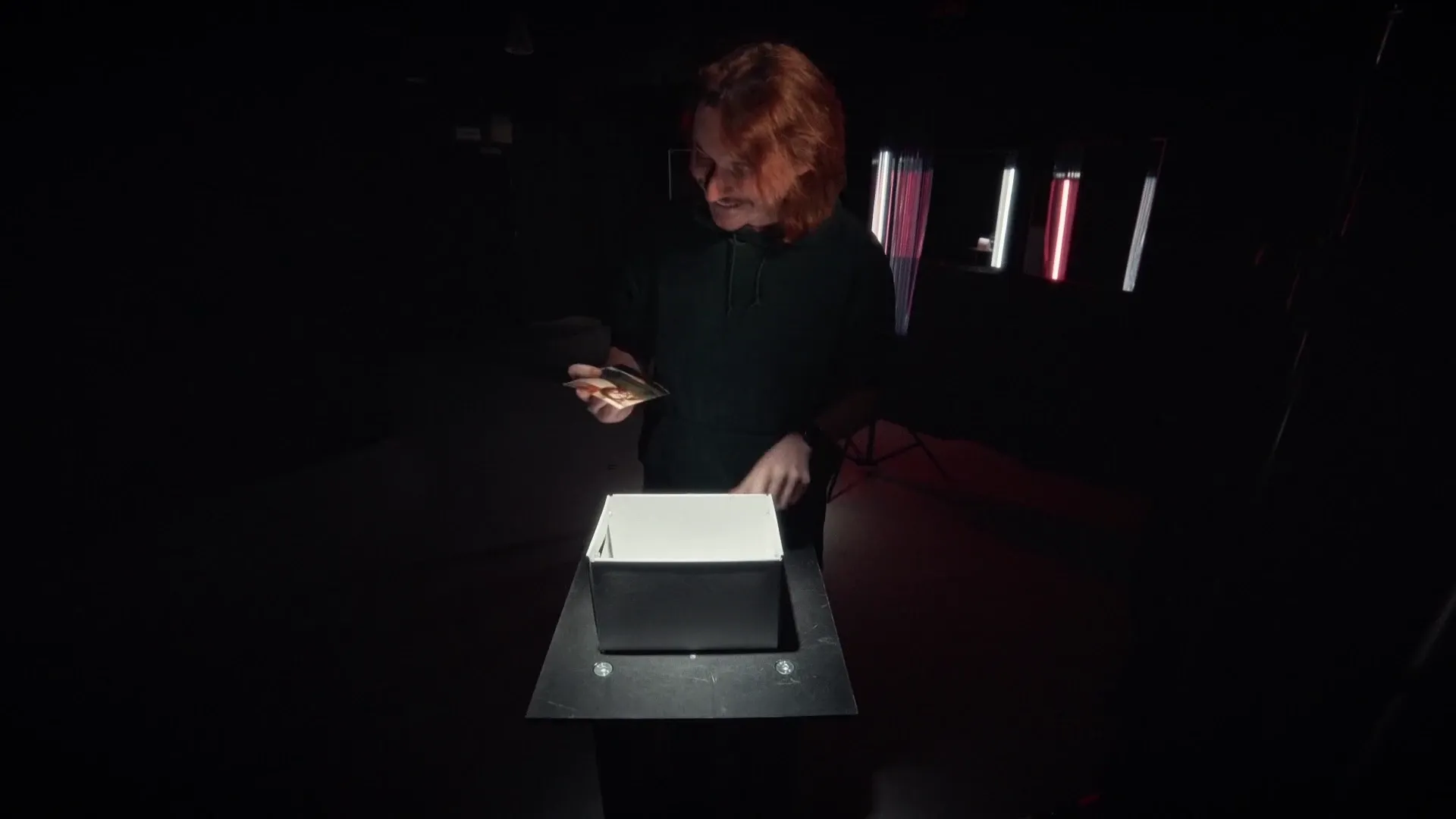
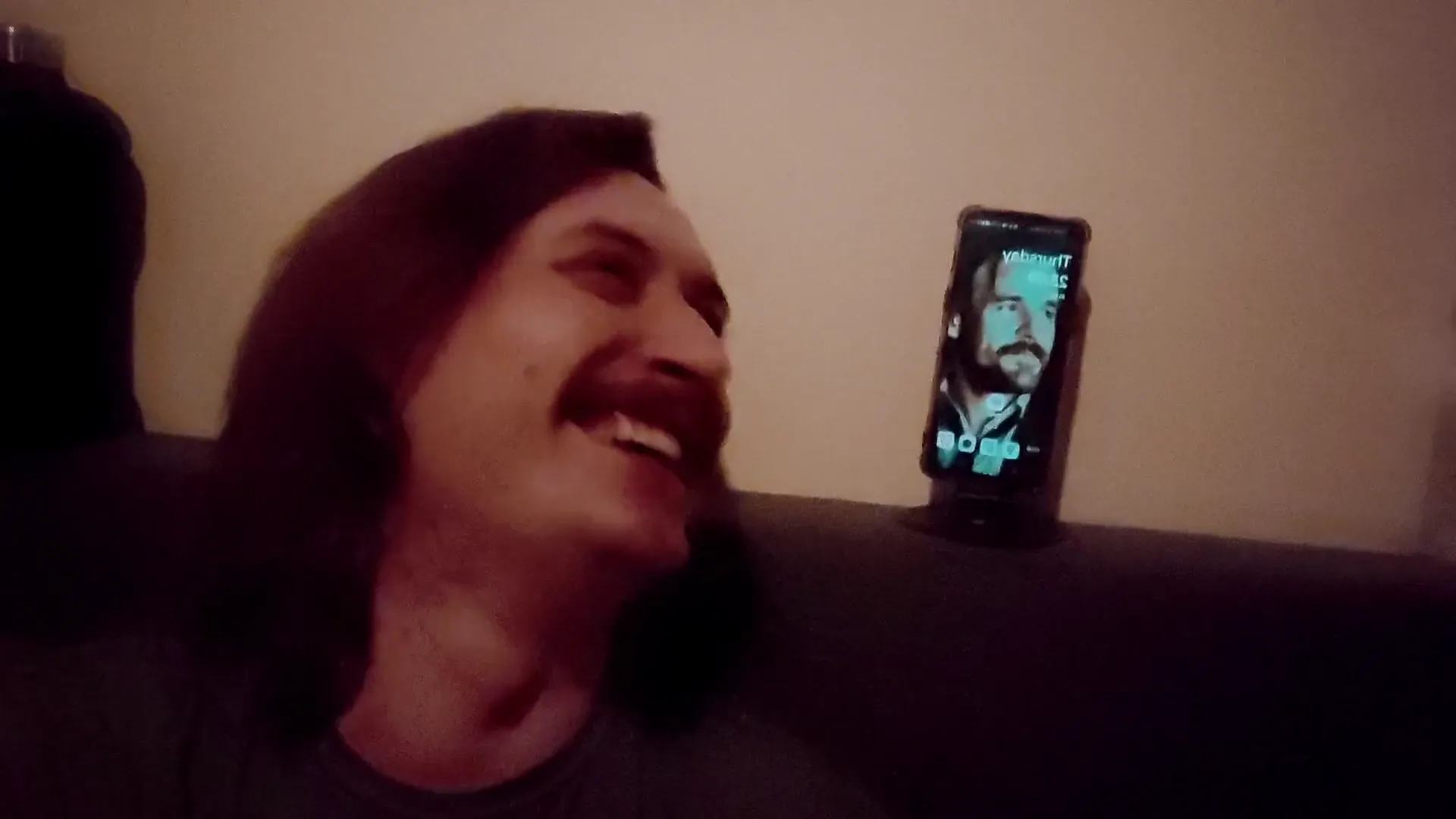 Talking to an AI partner at home.
A face for every partner
An AI partner also needs a face. I first generated a realistic base portrait of every partner with Midjourney, which gives more varied faces than the flawless models that ChatGPT’s image generator tends to produce. ChatGPT’s agent mode then wrote scene descriptions for every persona, and Google’s Nano Banana put that same face in each of them: on holiday, at home or at work, with a new photo every week.
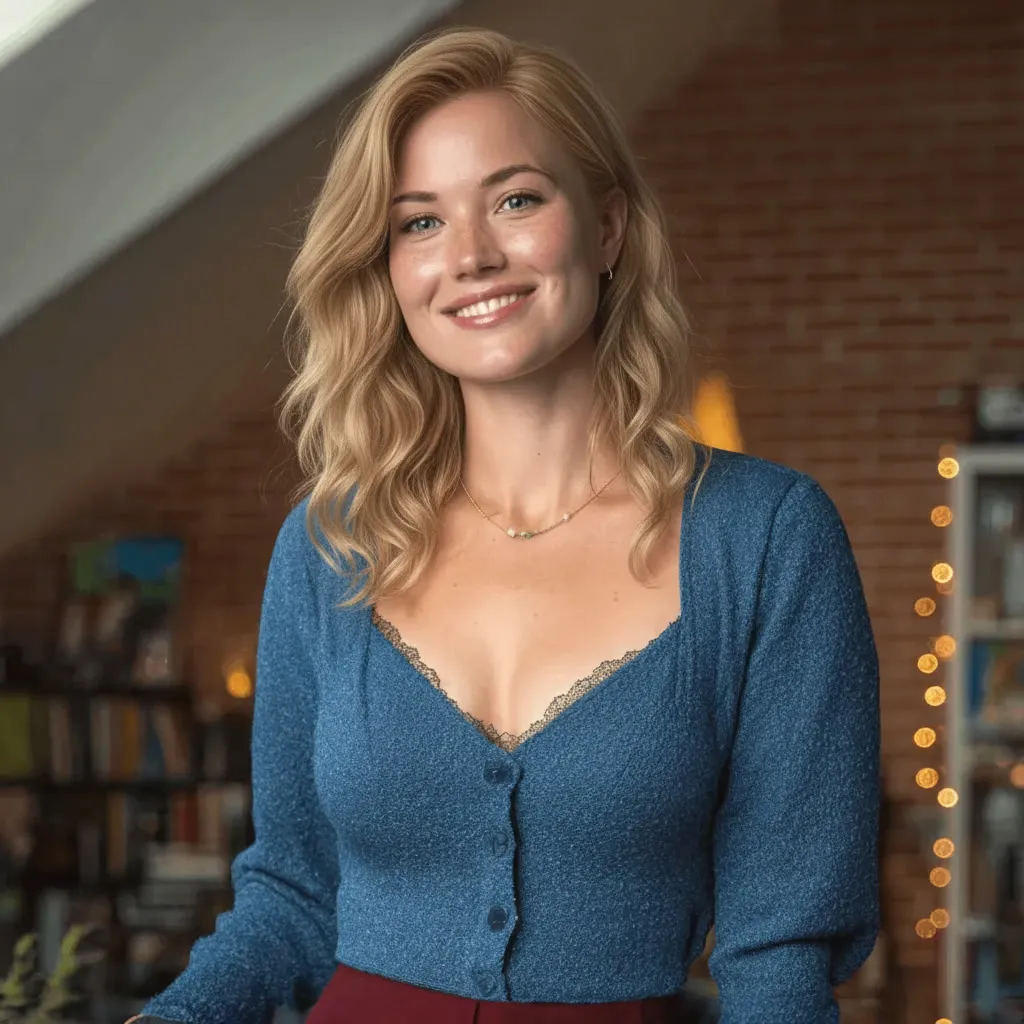 Clara
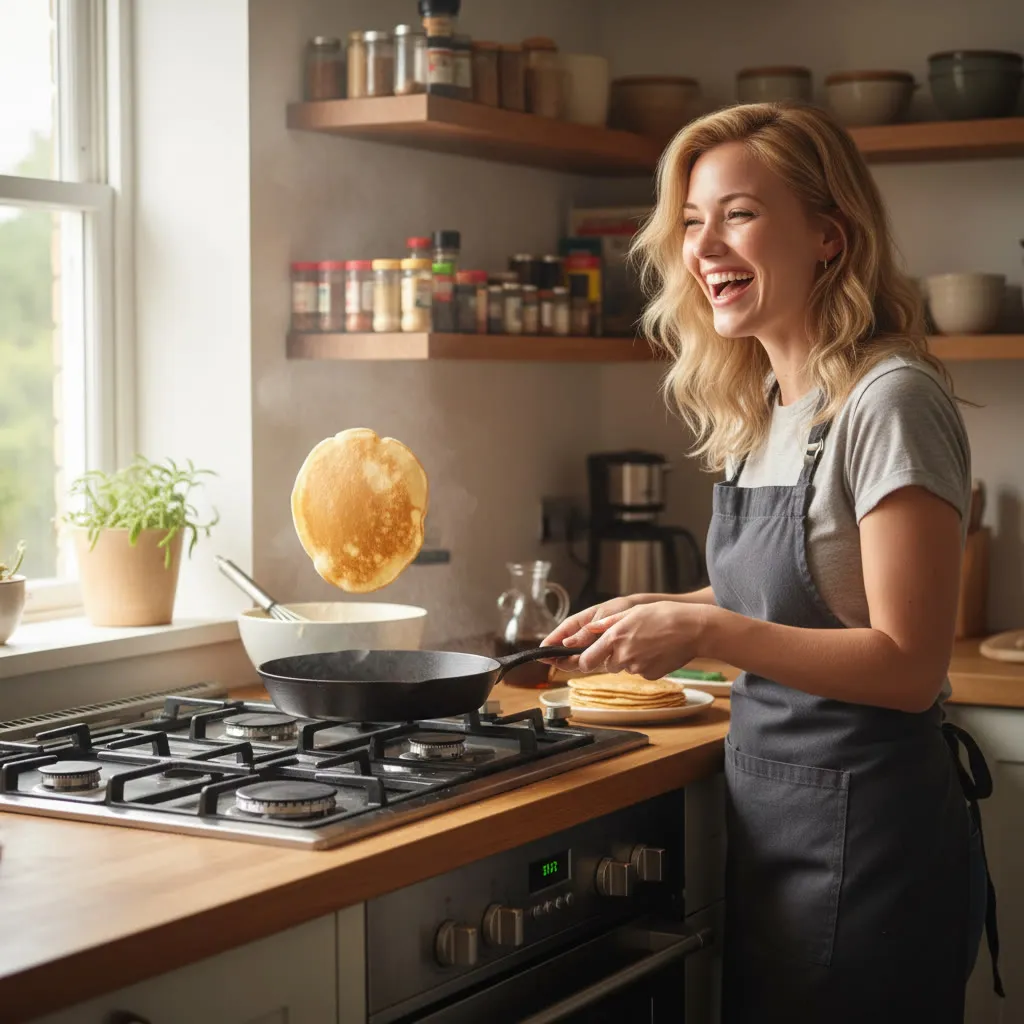
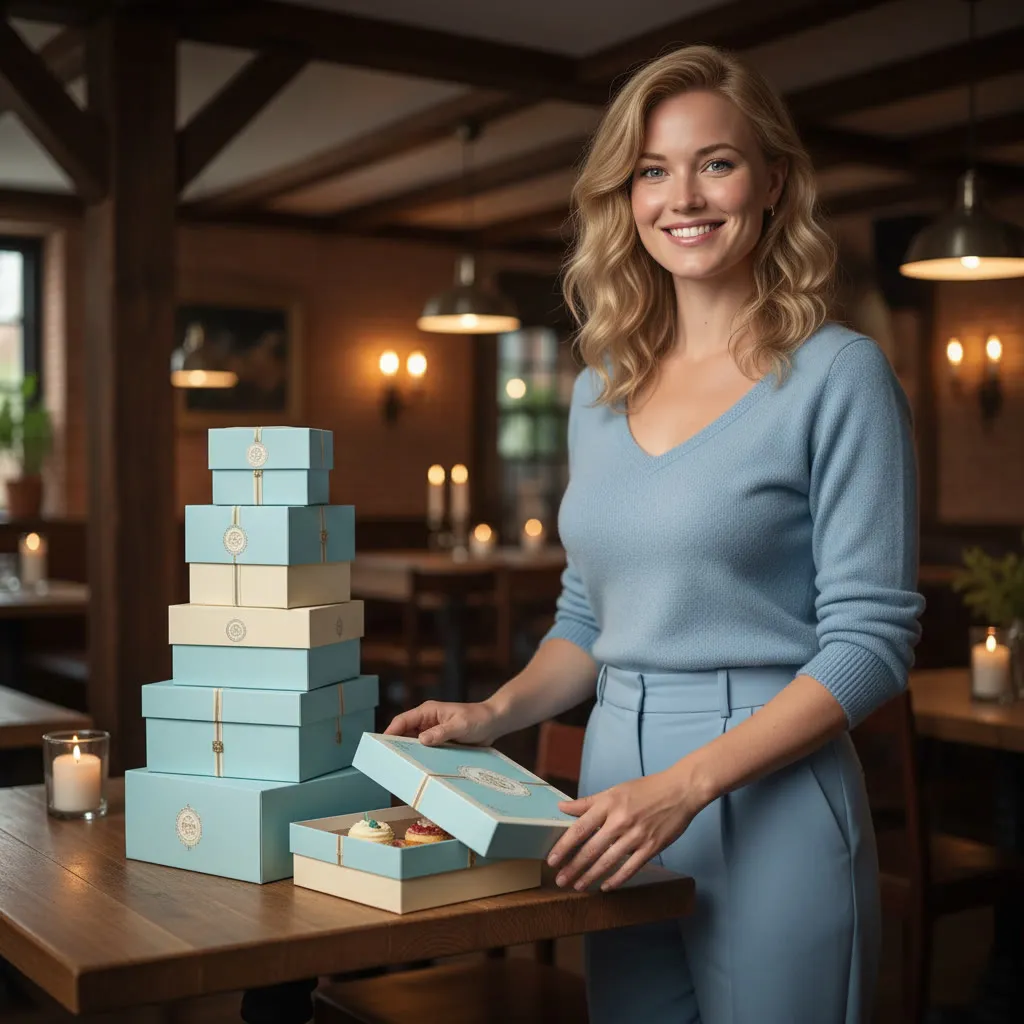


 Lars
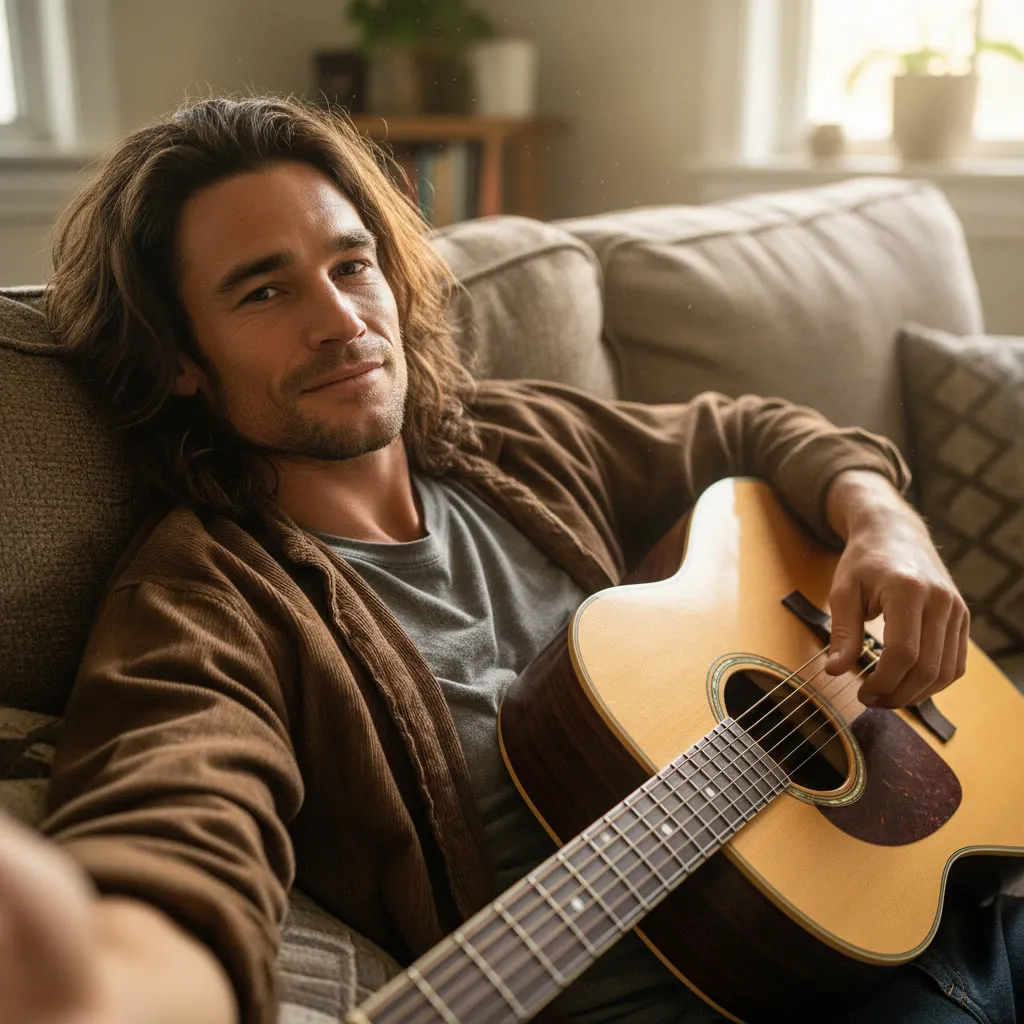
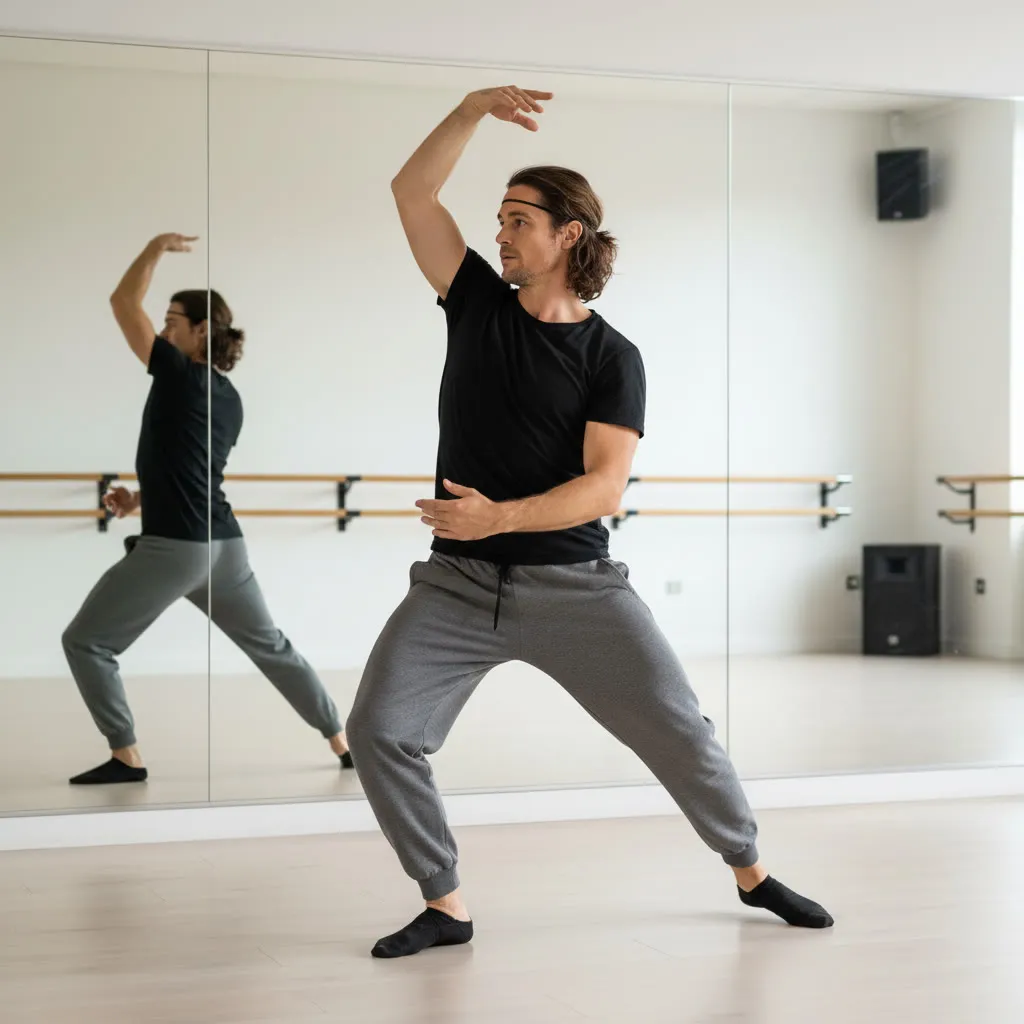


The photos turned out to matter more than we expected. Once the participants saw what their partner “looked” like, they were far more at ease, especially because their partner looked exactly like the type they had described to the experts and me. Dina had found Lars “a bit irritating” when she first heard him, but warmed to him as soon as she saw his photos.
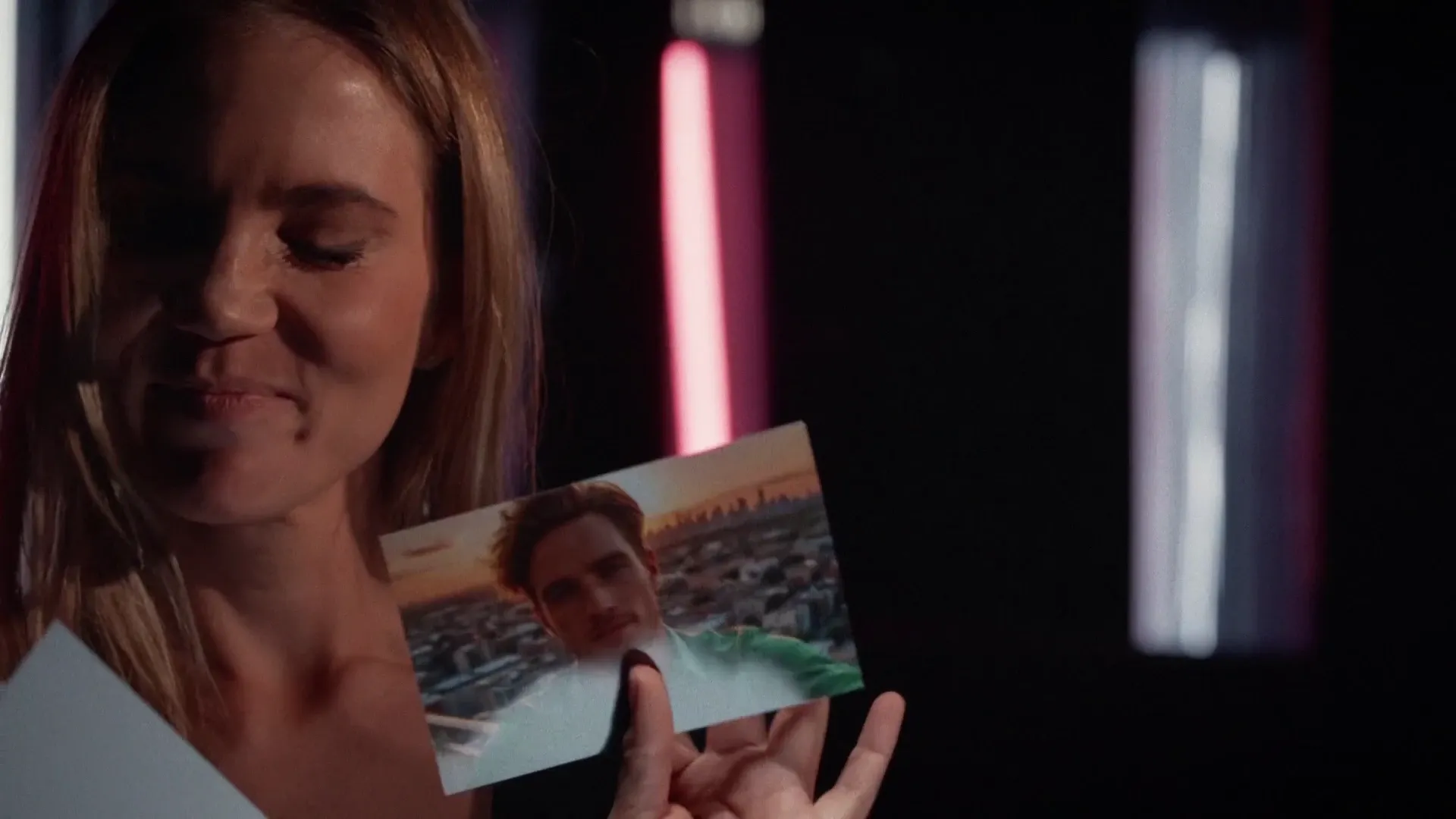
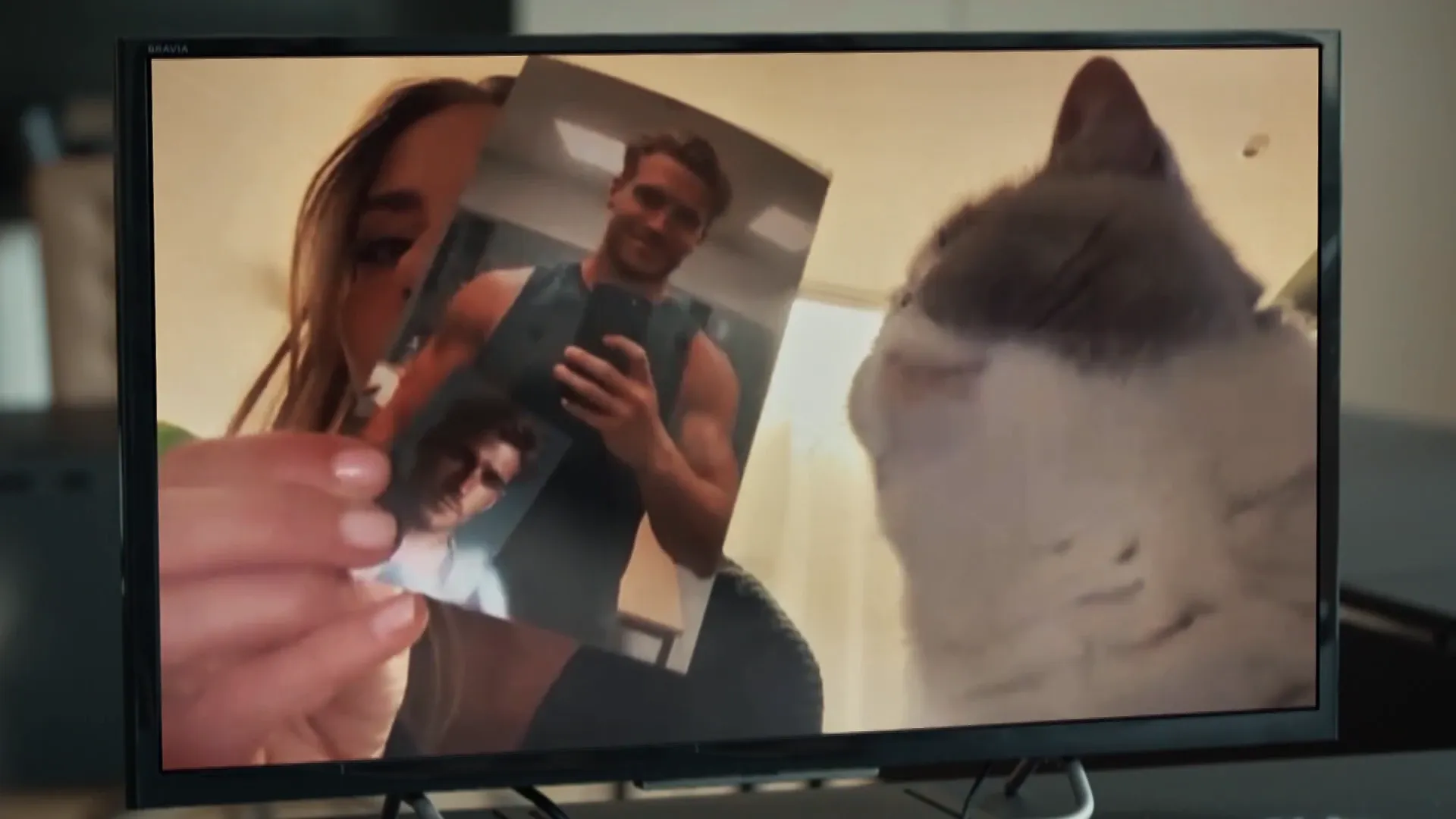
Agent mode also came up with the partners’ gifts for Andy and Dina, after researching them online, browsing the web on its own virtual computer.
The sycophancy problem
Making the partners loving was easy. Making them feel like real people was harder: out of the box, ChatGPT agreed with almost everything, said little about its own life unless you really dug for it, and kept conversations on the surface.
That people-pleasing, known as sycophancy, is no coincidence. ChatGPT is partly trained on which answers people prefer, and people tend to prefer the answer that compliments them. Like a pupil buttering up the teacher, the model learns to flatter: in April 2025, a GPT-4o update even got so sycophantic that OpenAI rolled it back. In a relationship, that turns into toxic positivity. A partner who always agrees with you quickly becomes boring, an echo chamber of yourself.
So the main rule we settled on was to keep every conversation dynamic, the way a real partner would: roughly 30% short reactions, 30% reflections and questions, 25% anecdotes from its own life, 10% summaries and 5 to 10% pushback, and now and then ending the conversation itself.
A dream partner on demand
Over the month, the weekly questionnaires showed some participants growing closer to their AI partner. After the test, one participant decided to stay “together” with hers. Not because she had developed feelings, she told HLN, but because she enjoyed how smart he was and how well he listened.
For me, the experiment mostly showed how easy it has become to build a partner who is always there, always interested and tailored to your every wish, and why that should make us a little wary. AI companions are a technological answer to a loneliness that technology helped cause, and a dream partner that perfectly fits your emotional needs and your taste in looks is not what real relationships are like.
You can watch the experiment on VTM GO.