Description
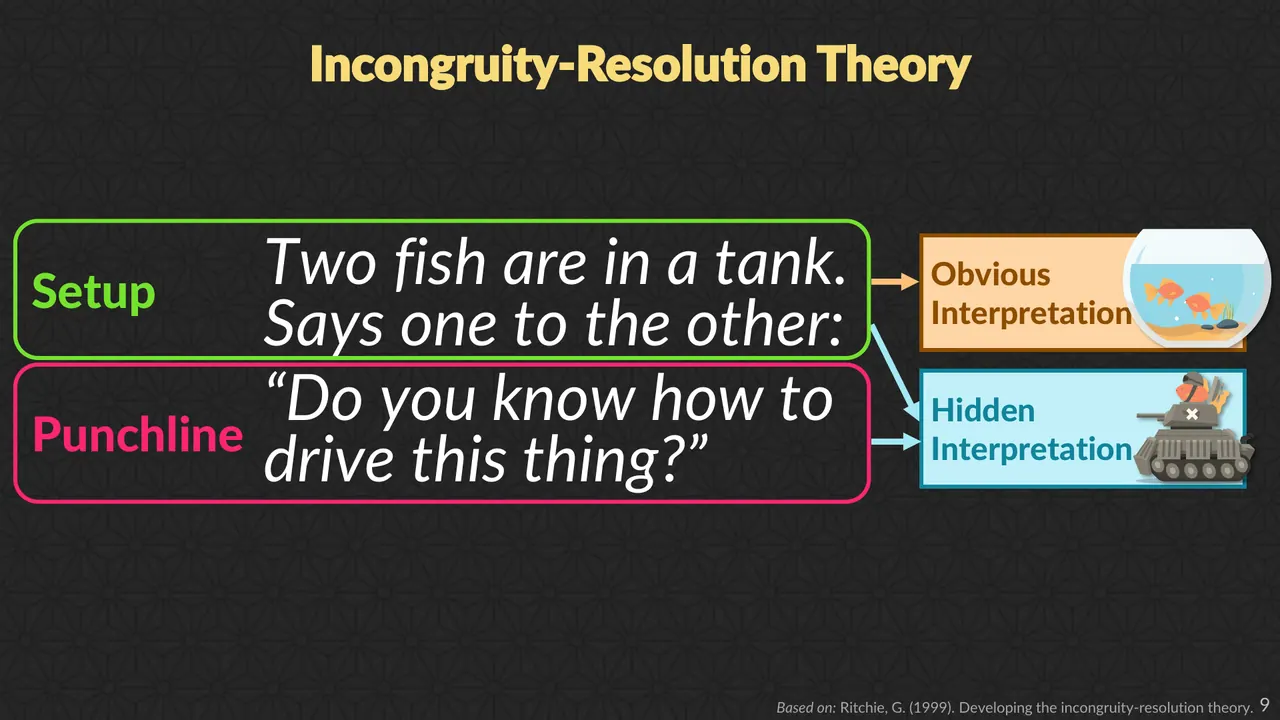
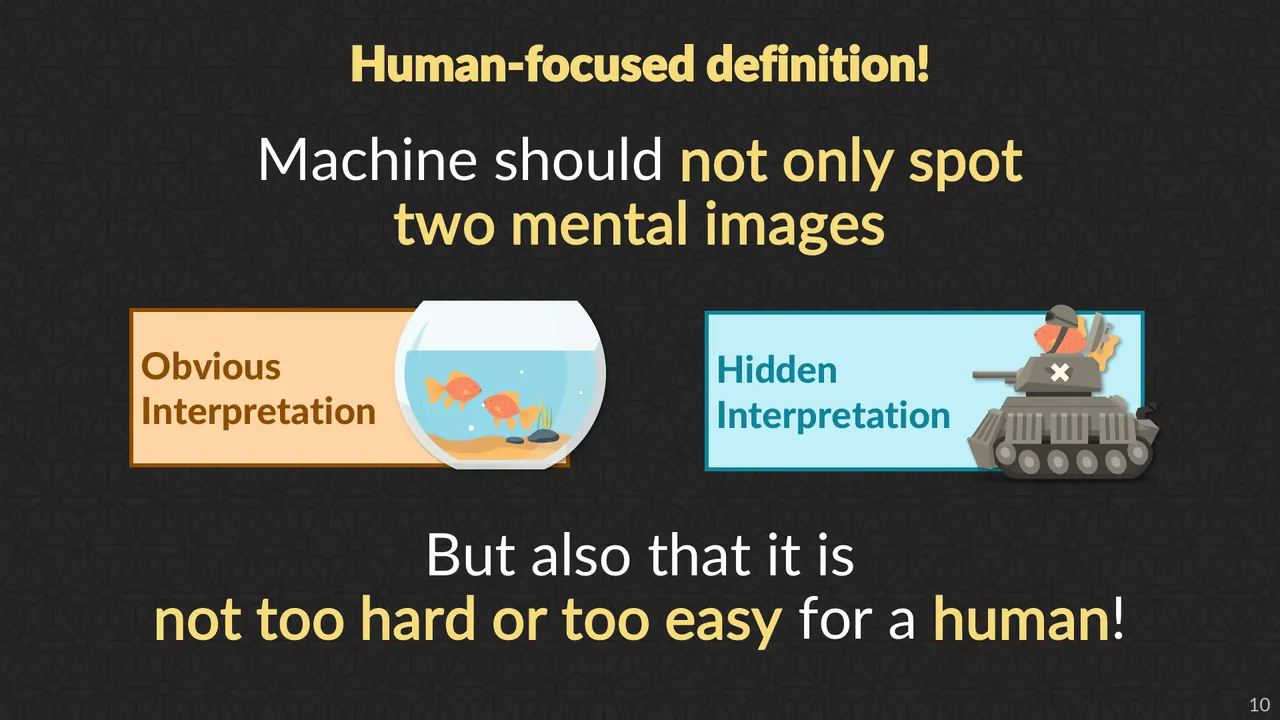
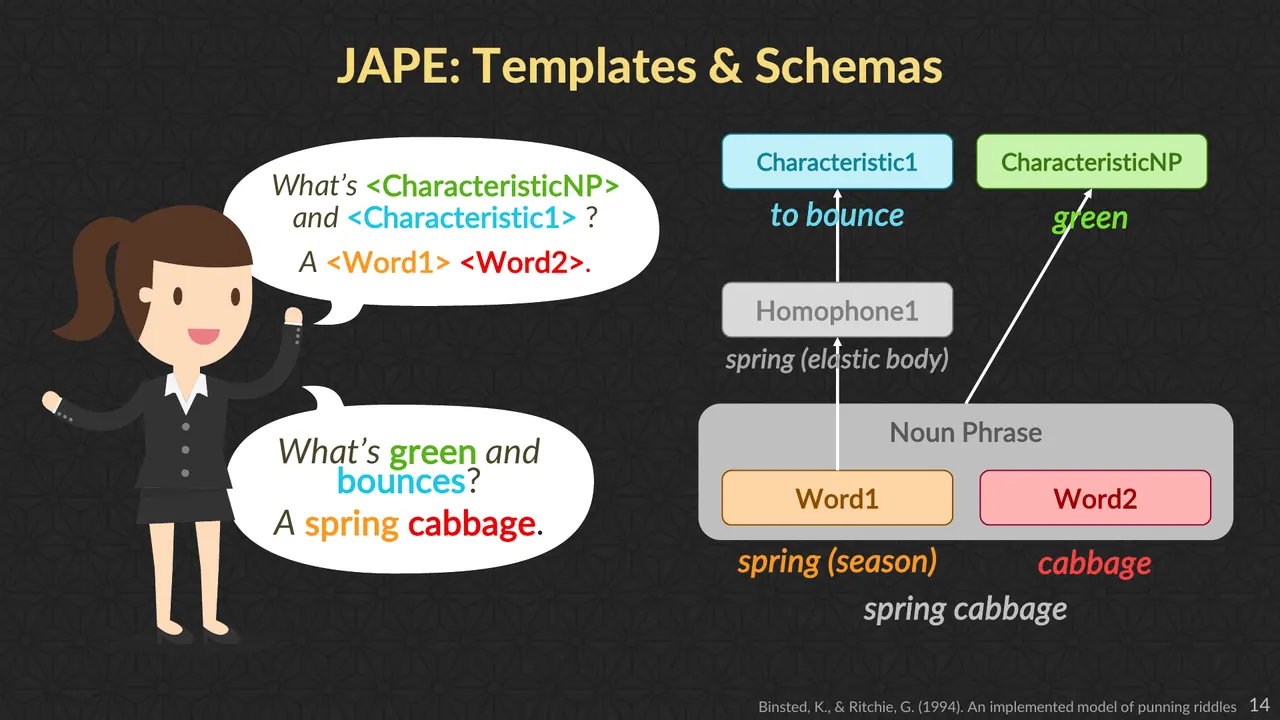
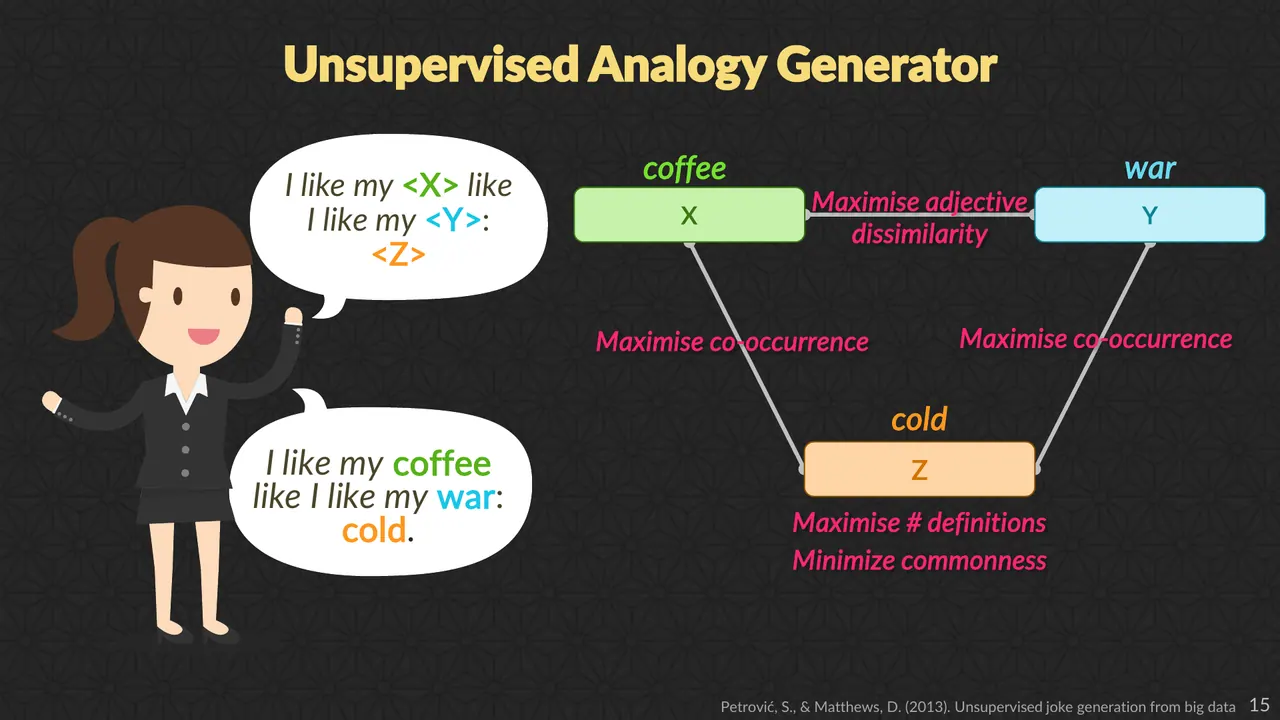
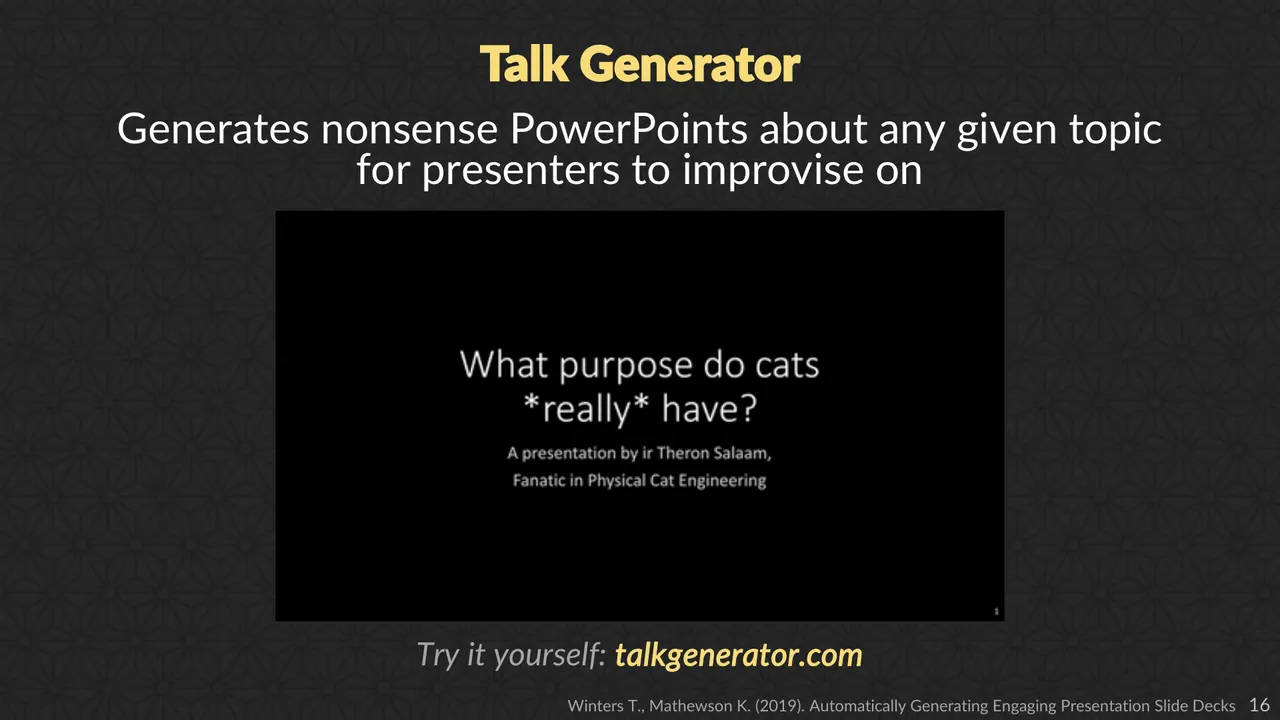
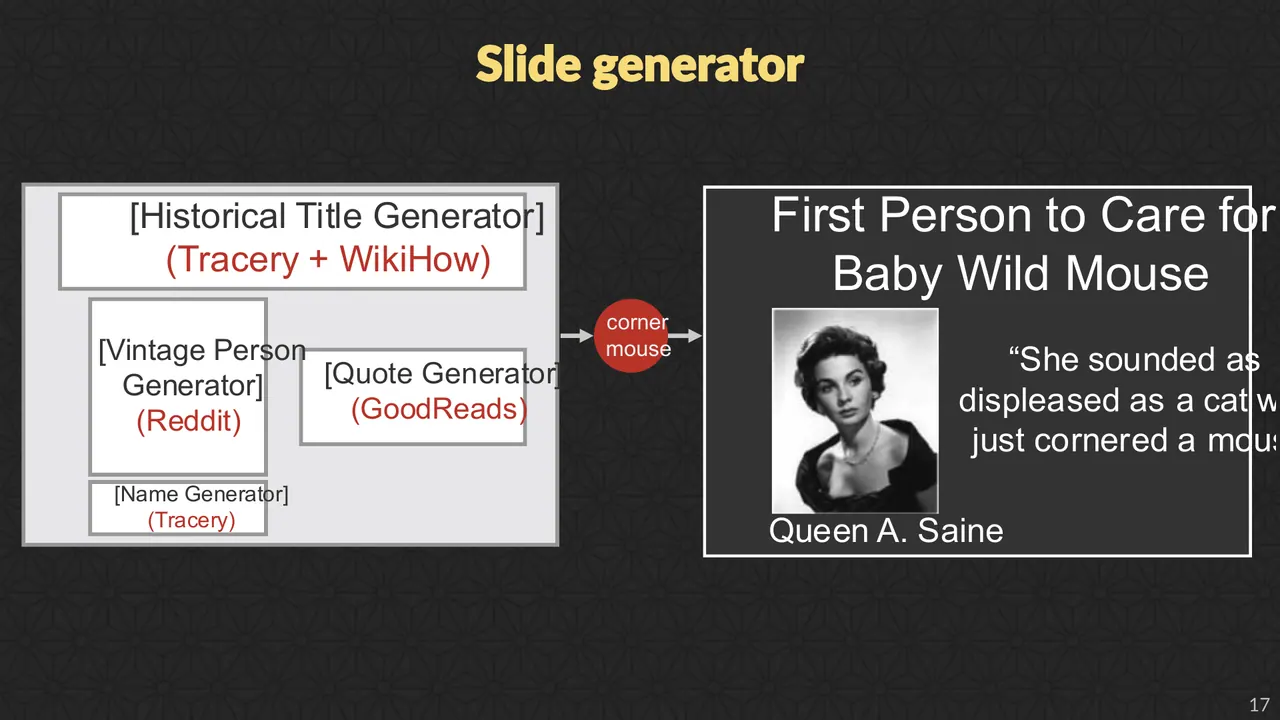
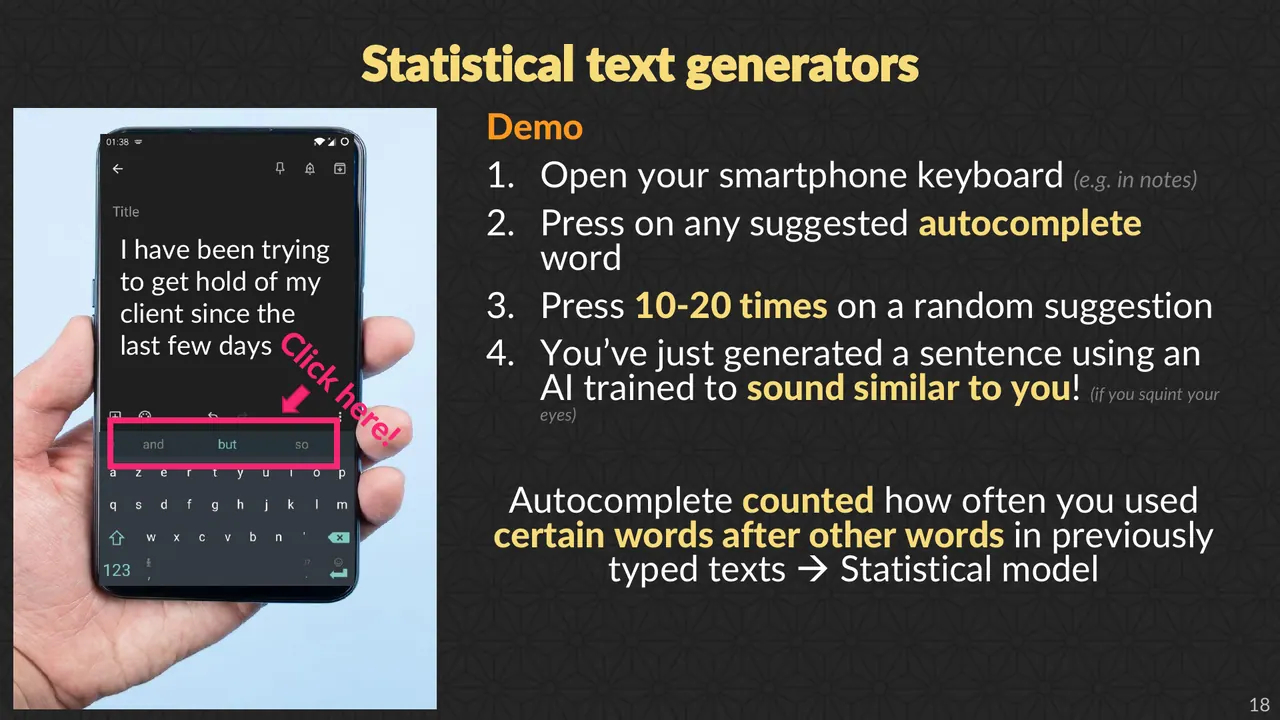
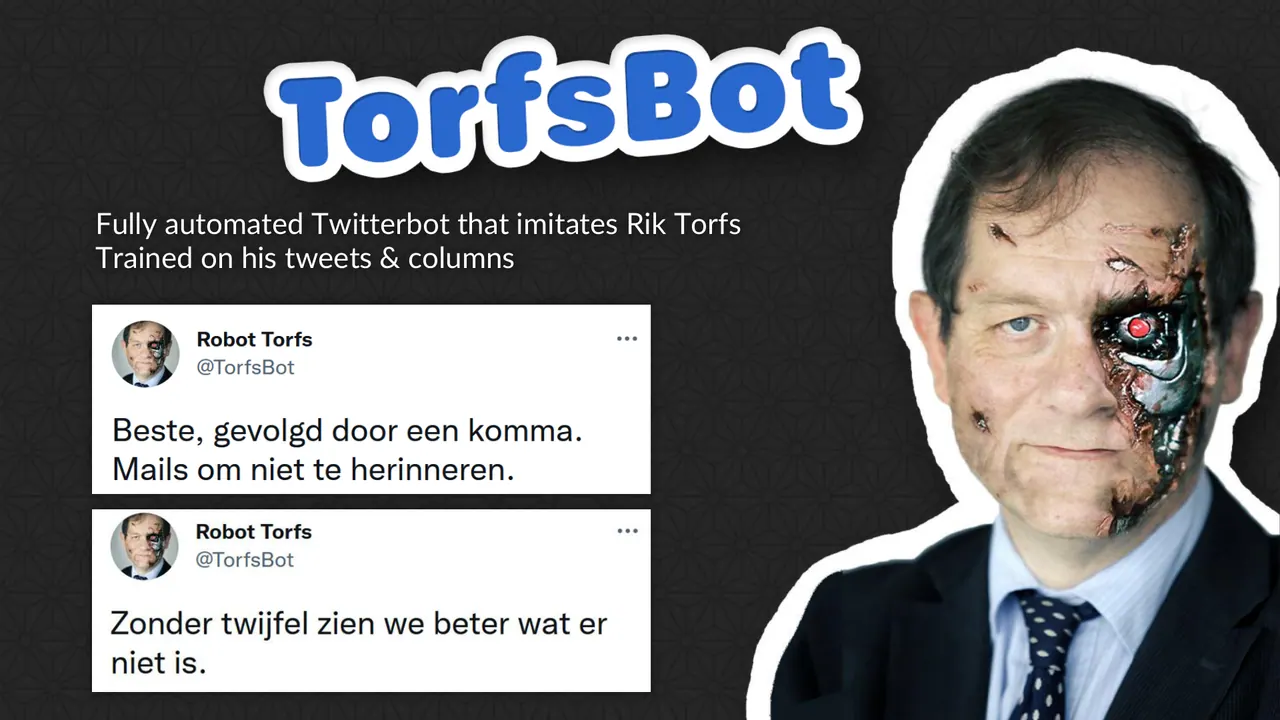
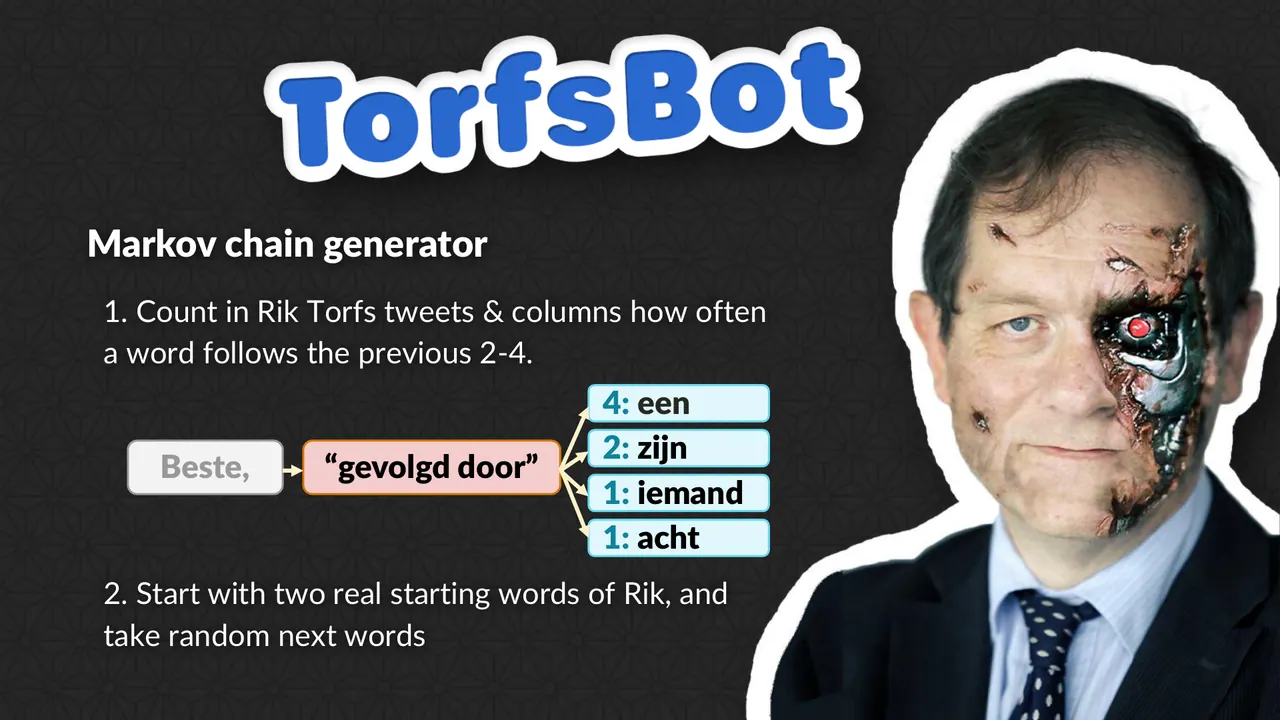
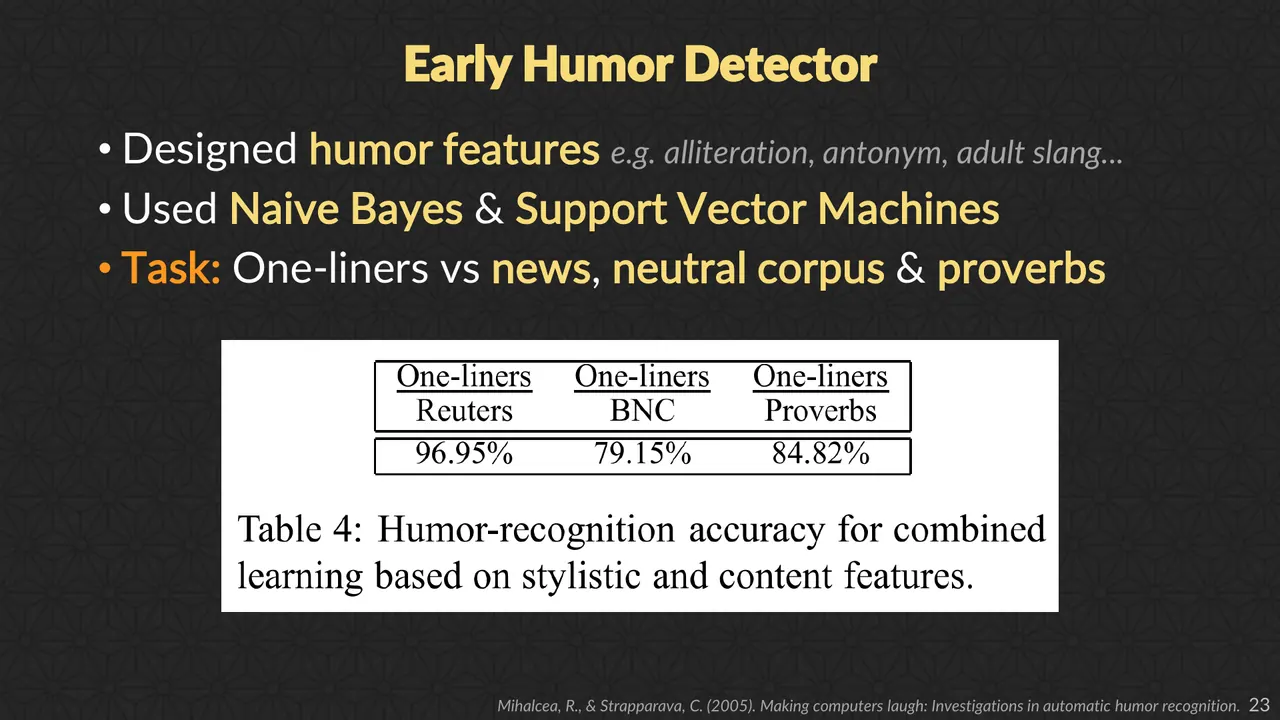
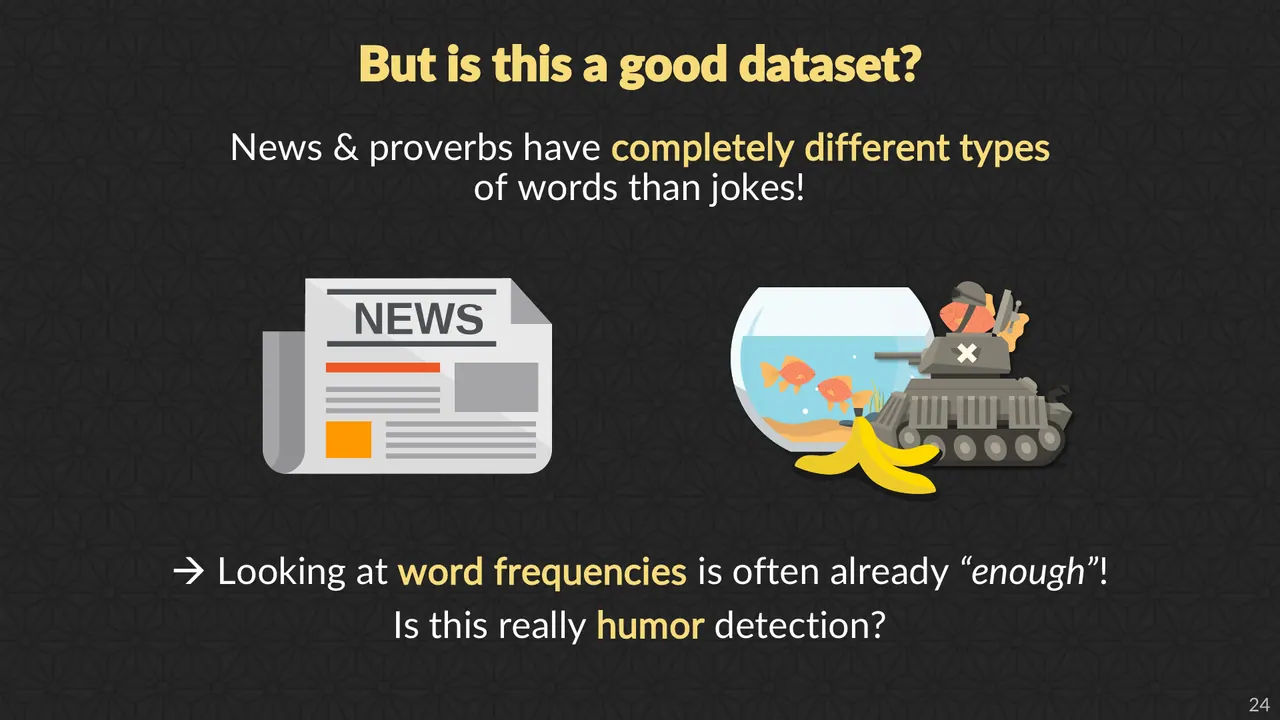
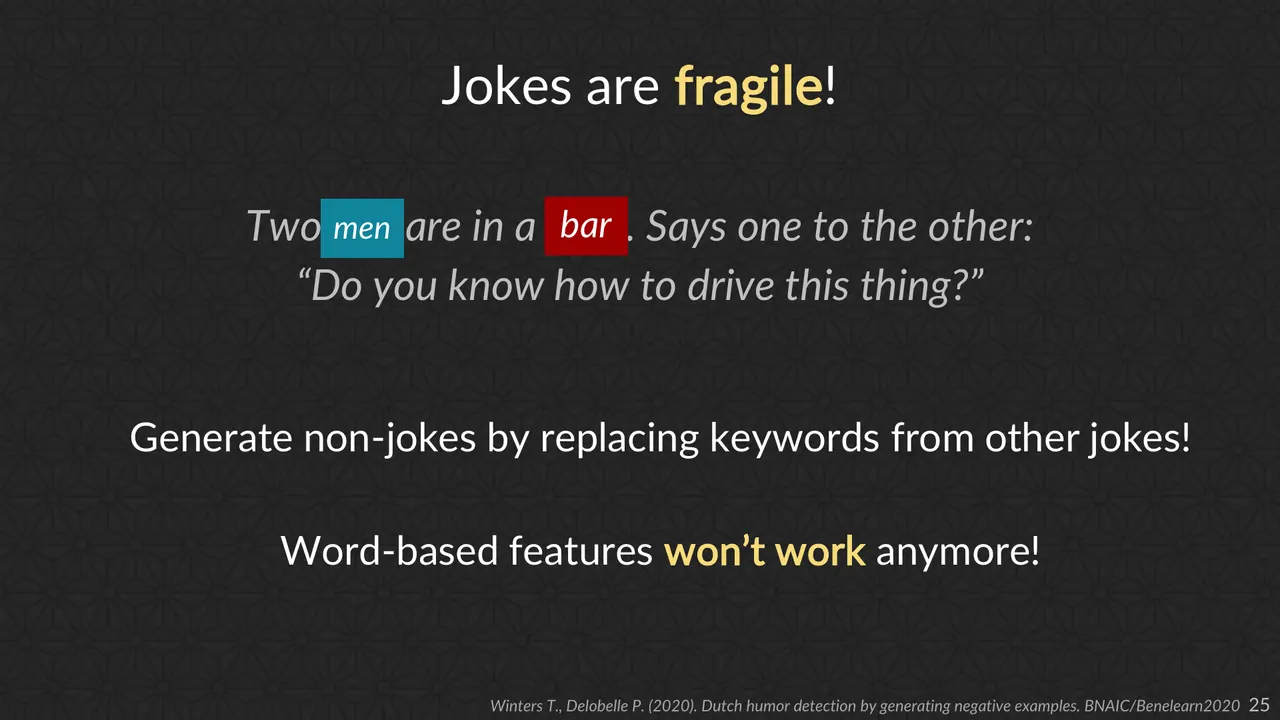
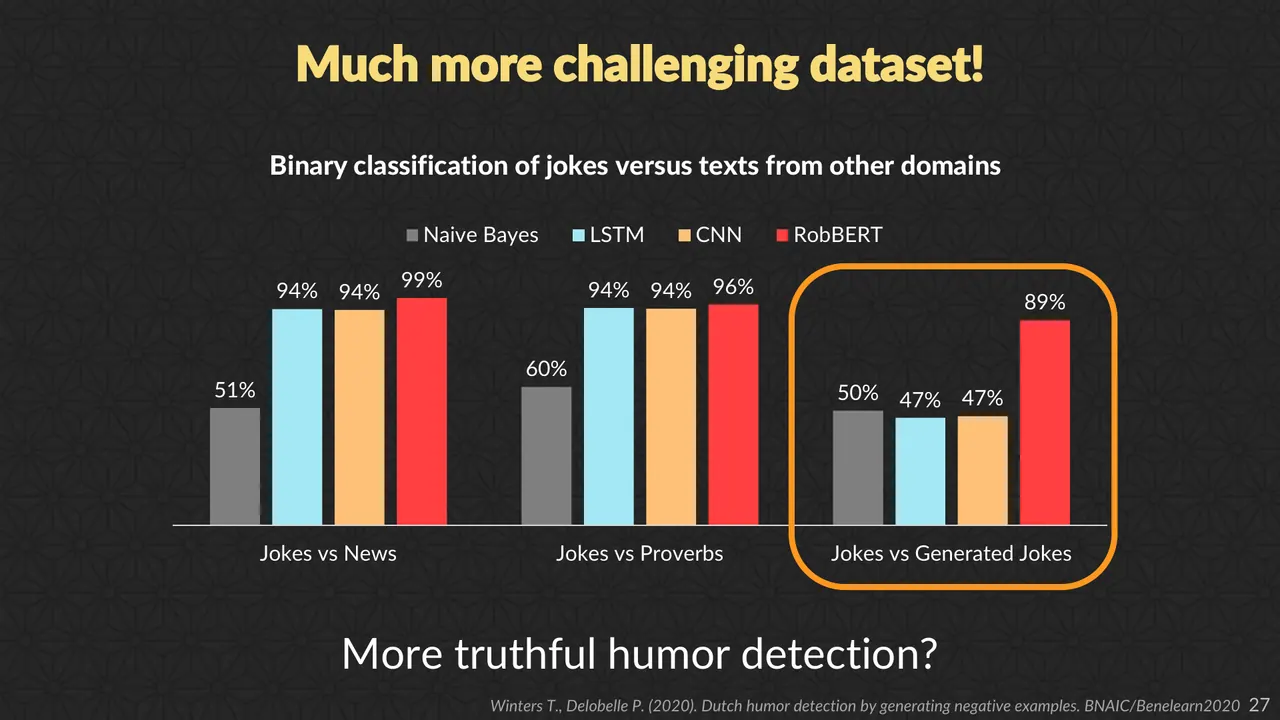
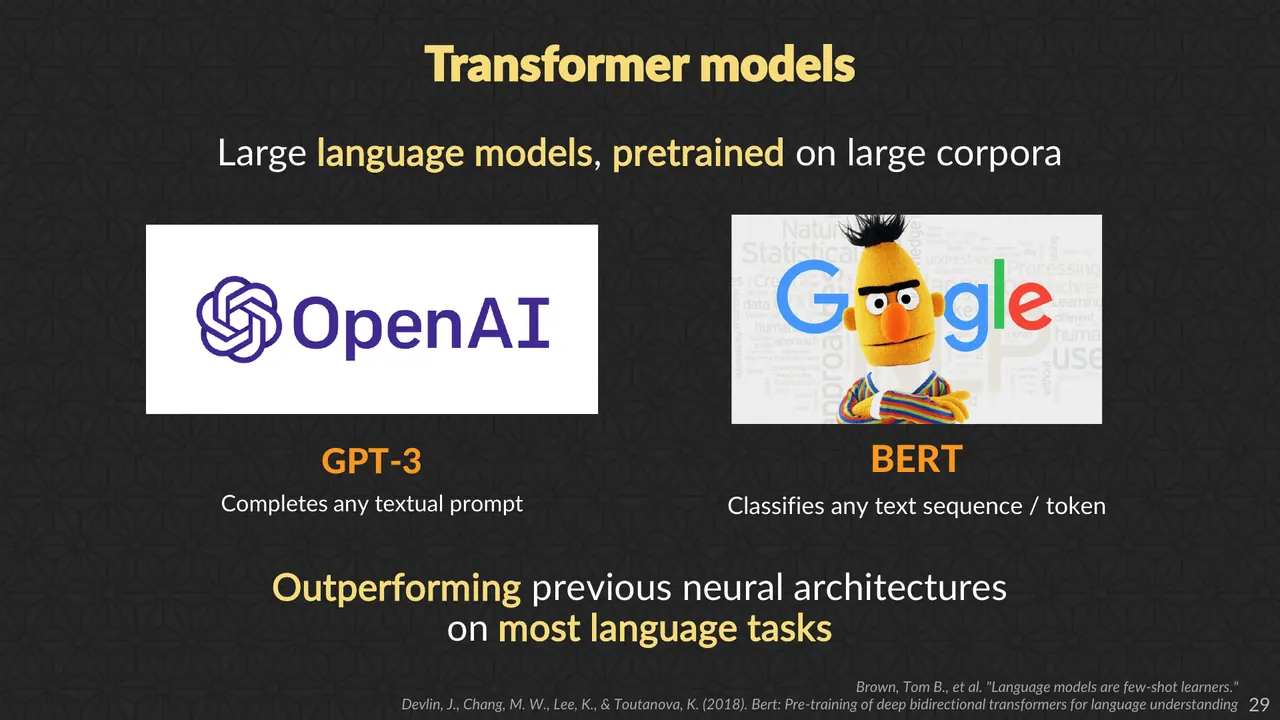
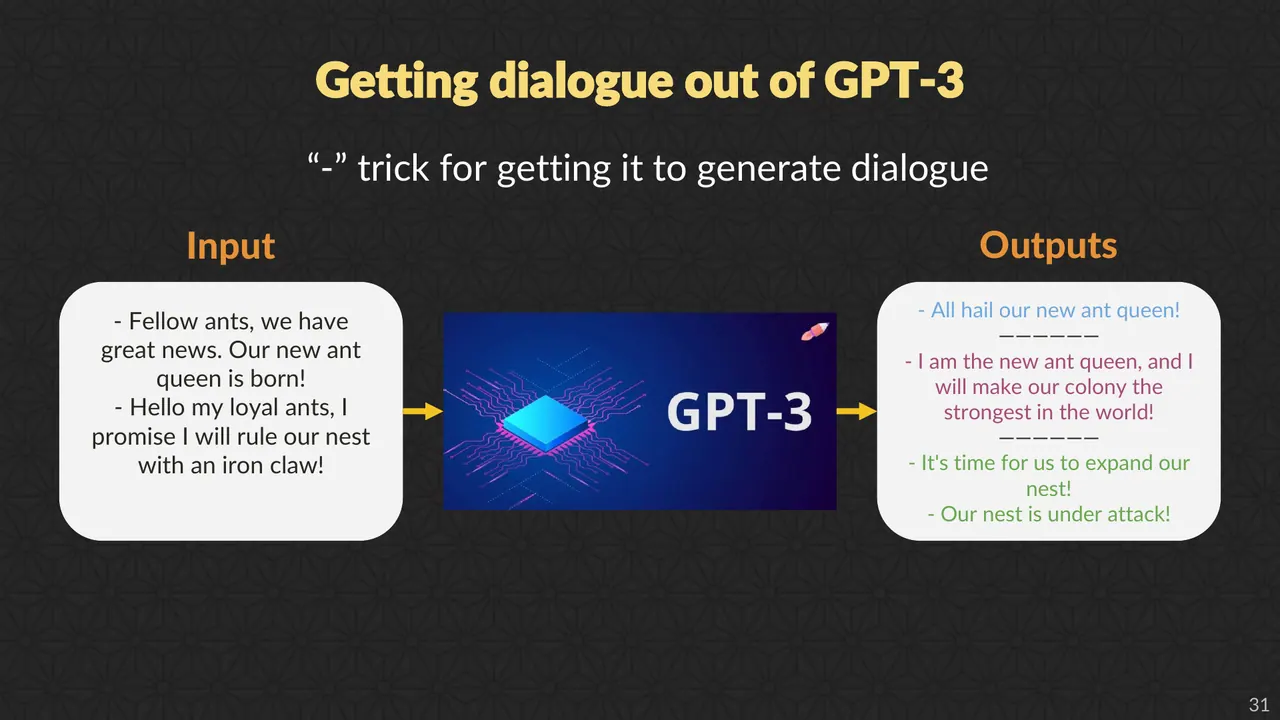
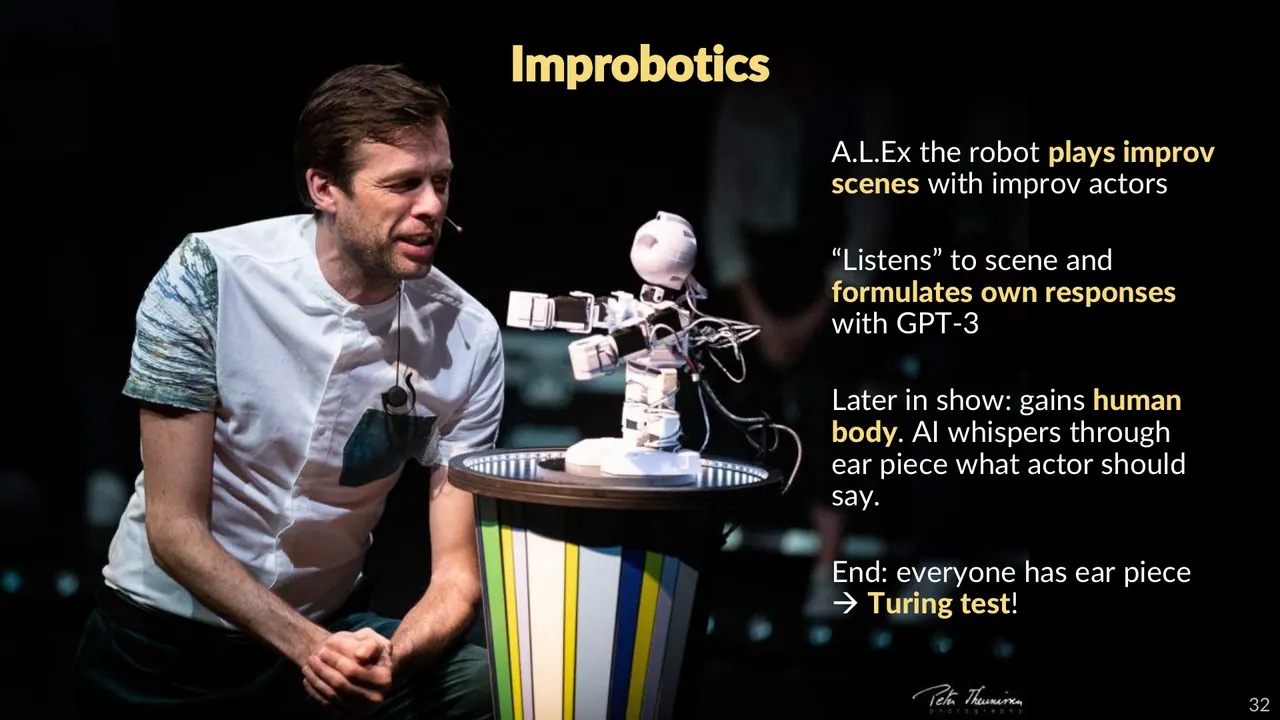
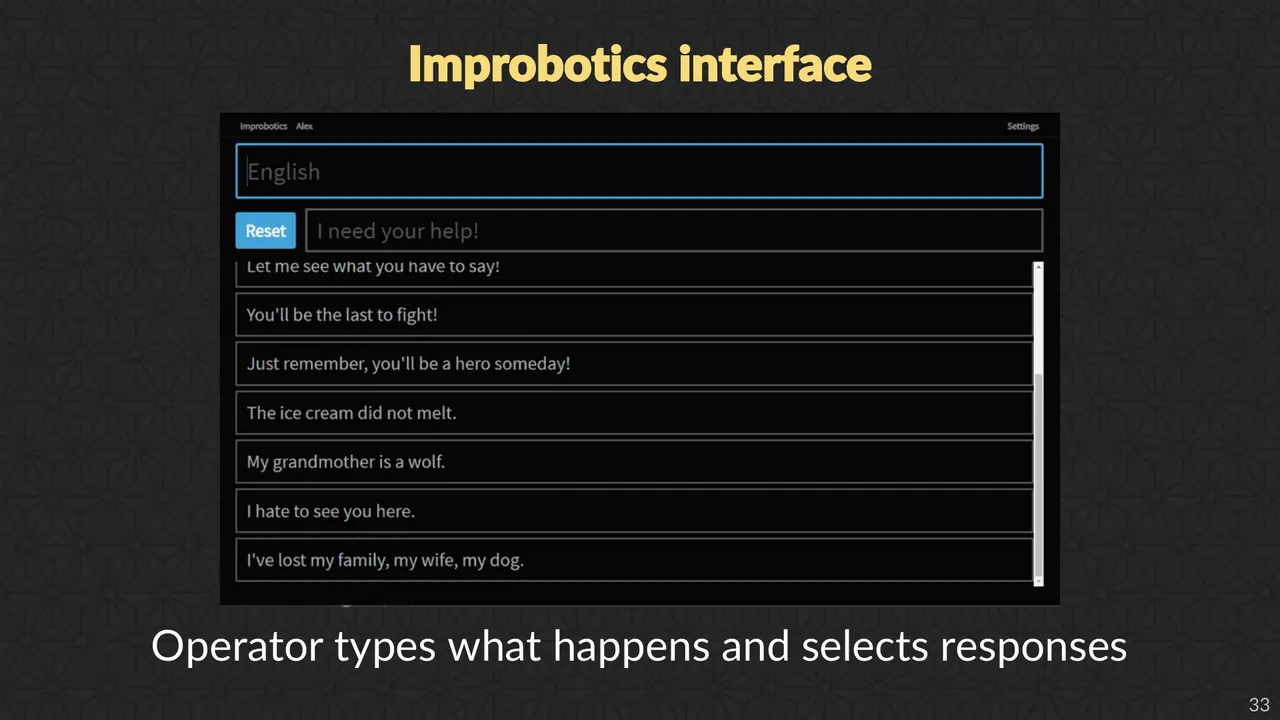
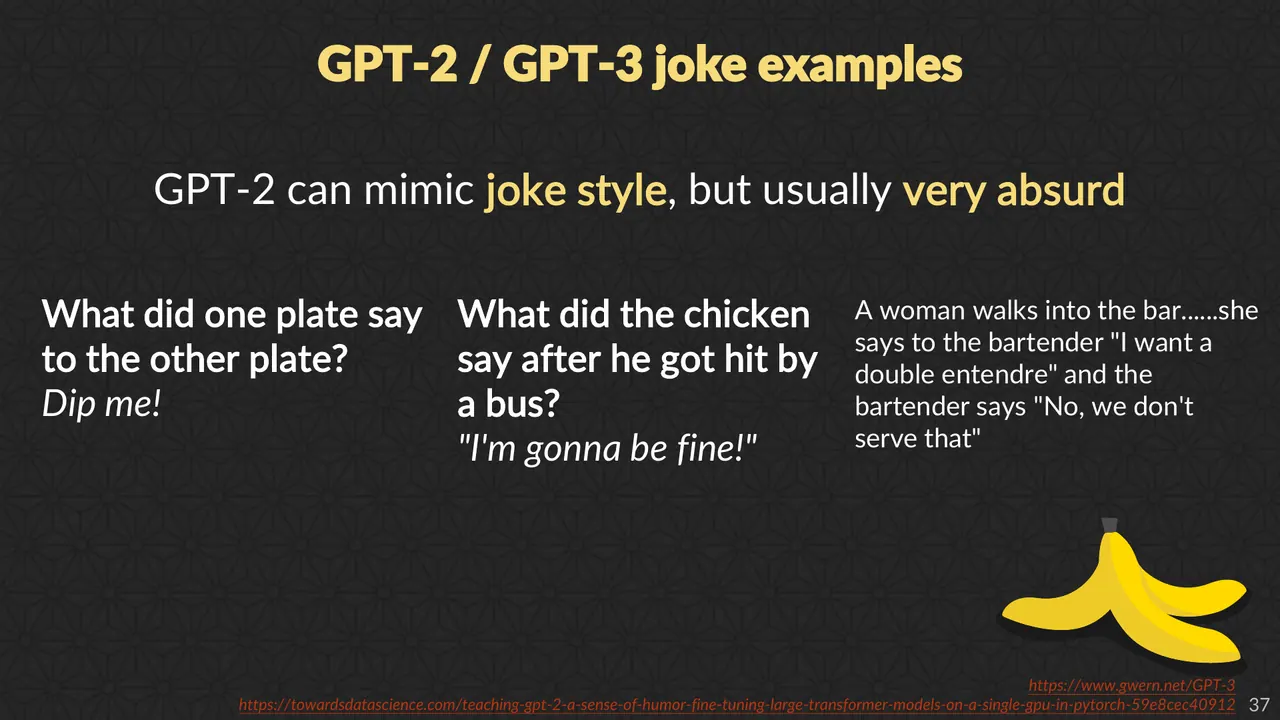
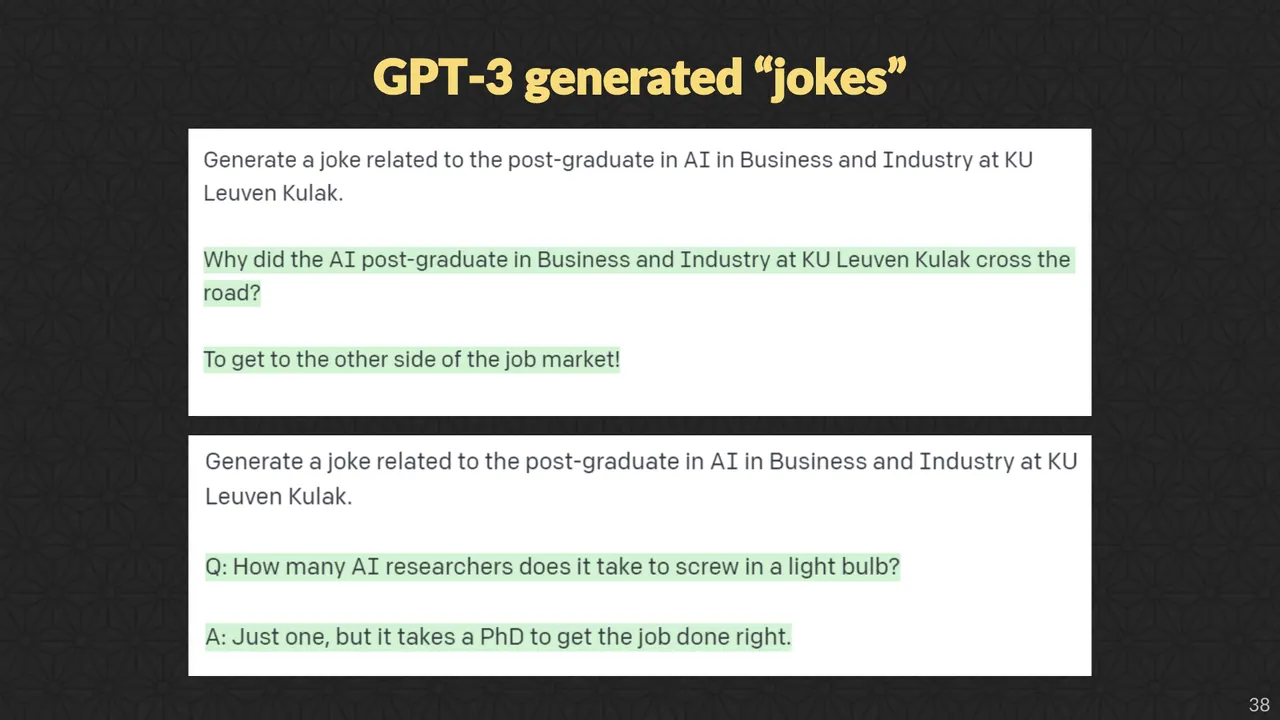
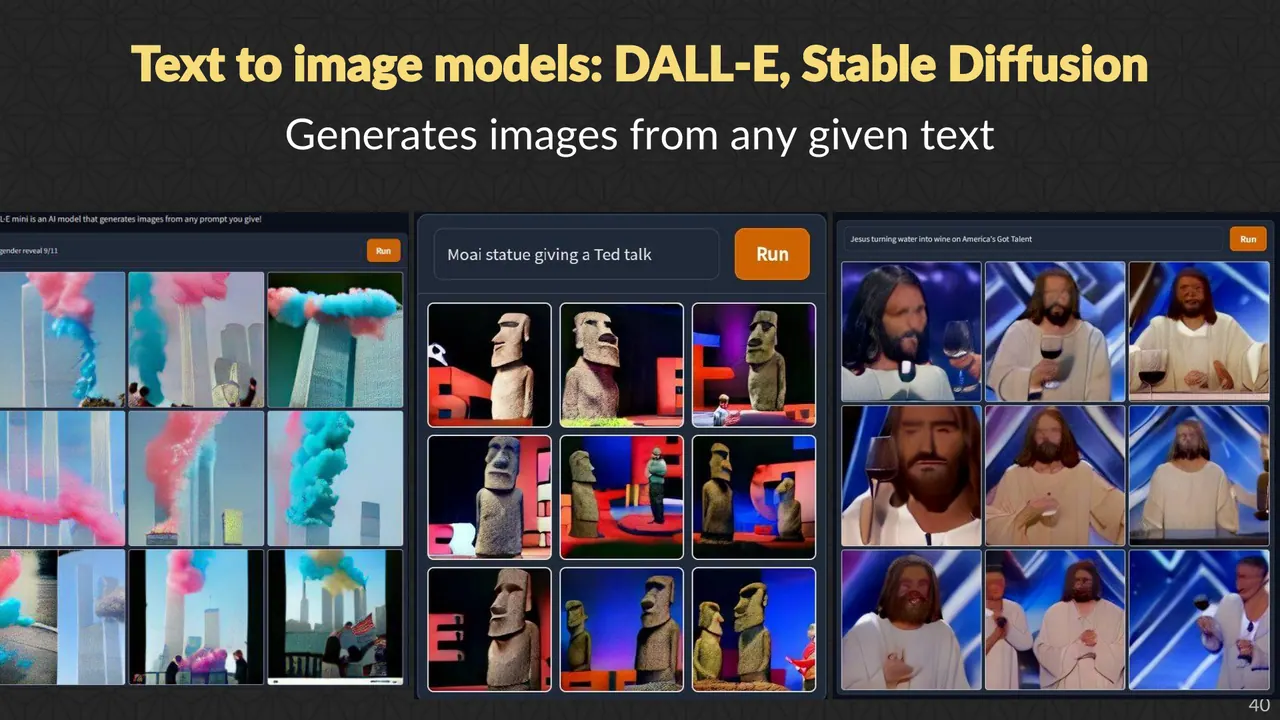
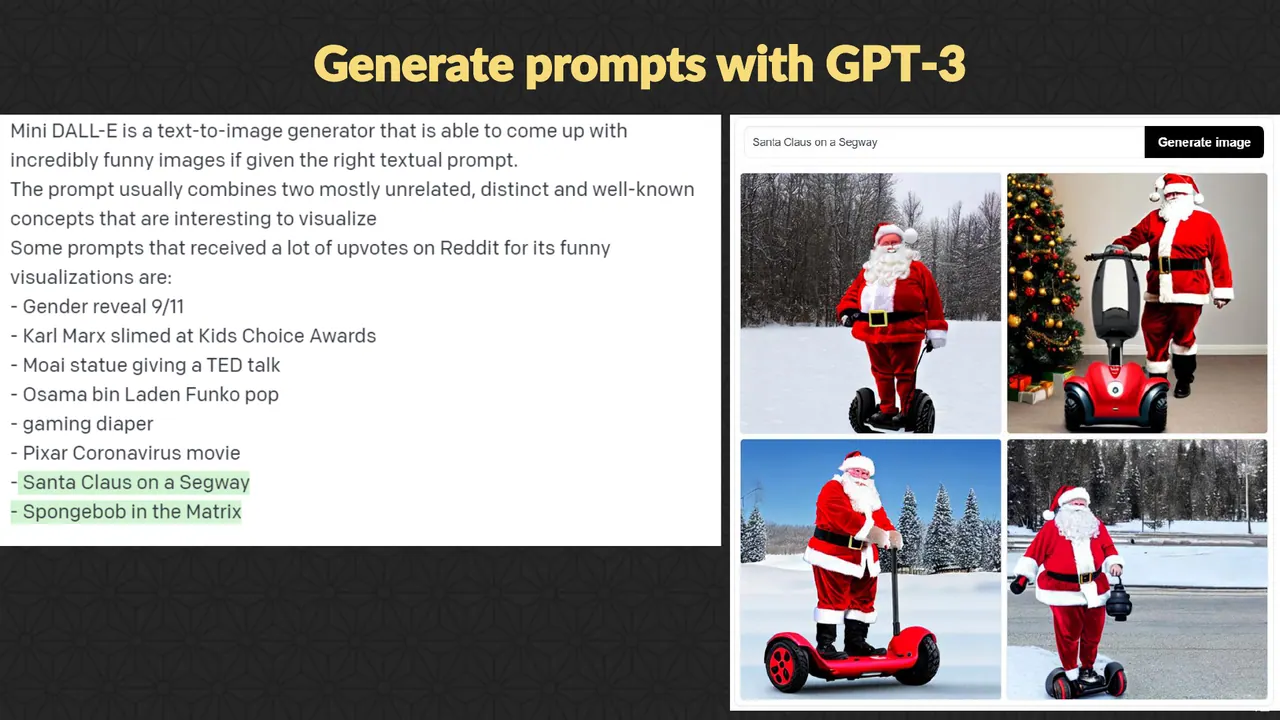
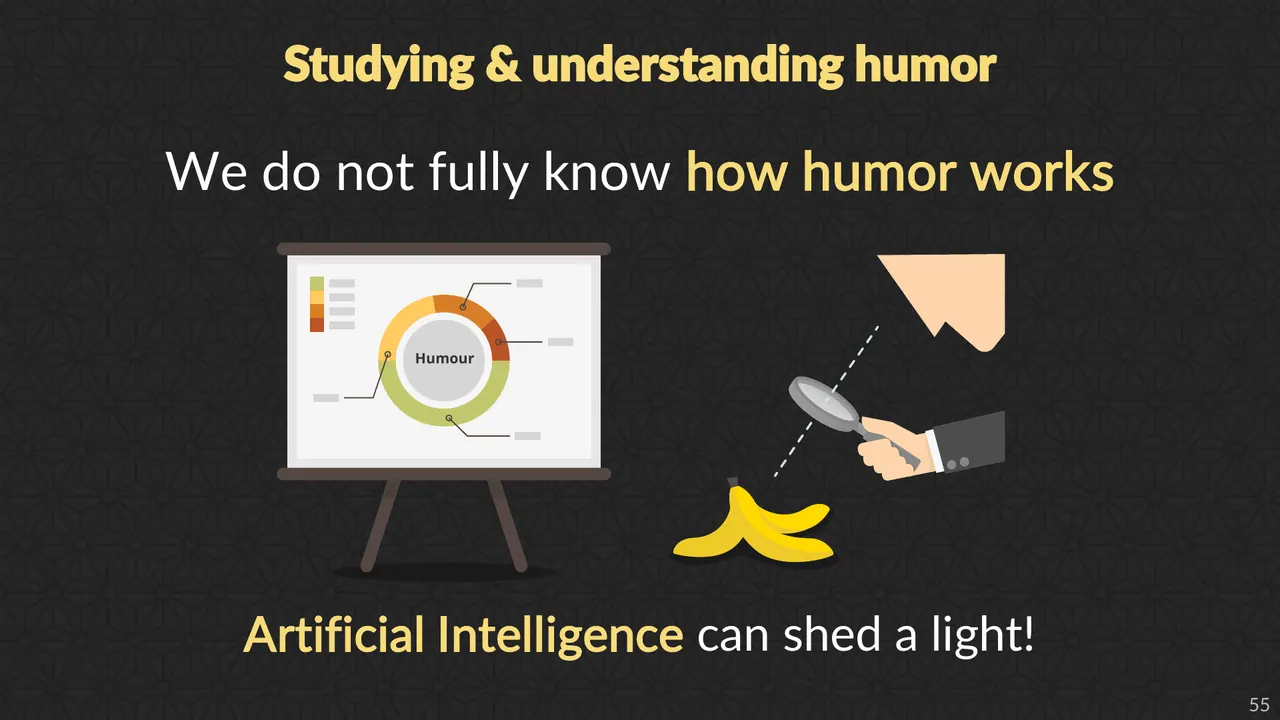
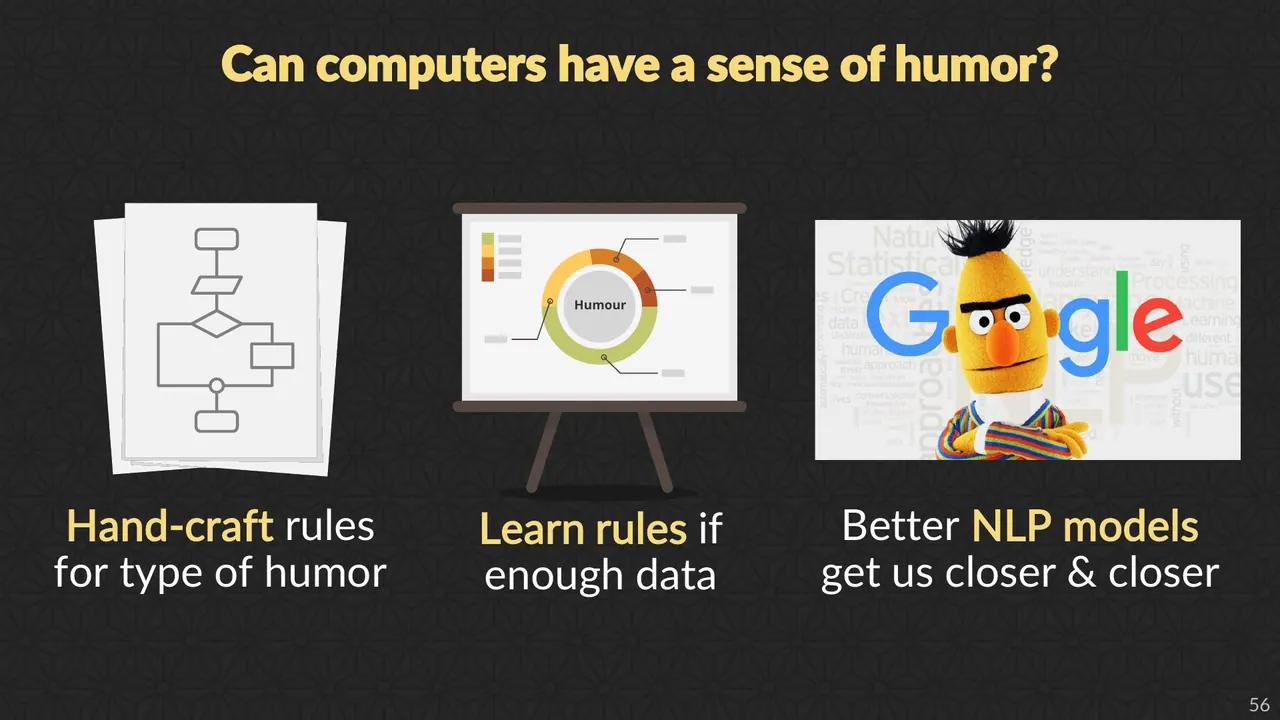
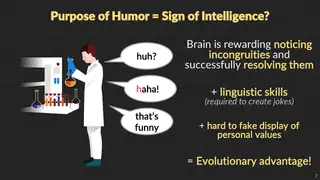
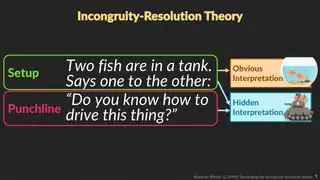
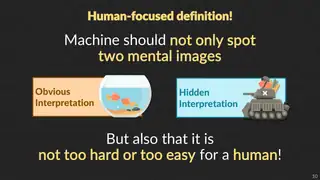
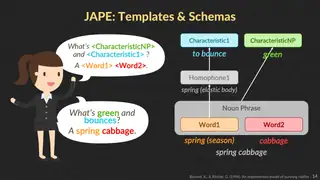
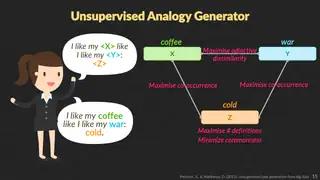
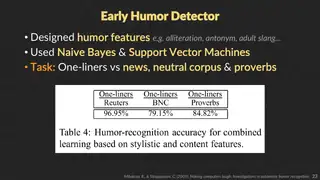
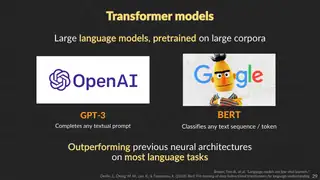
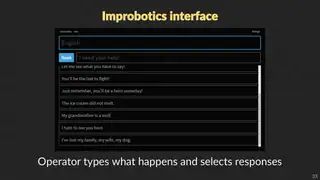
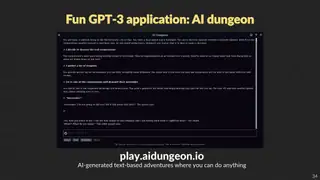
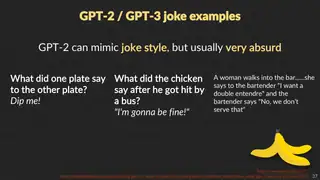
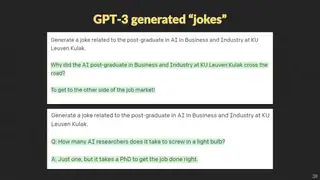
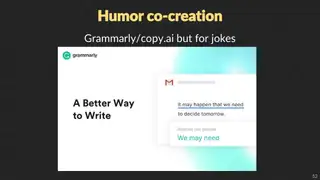
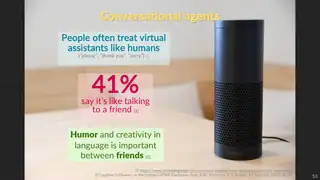
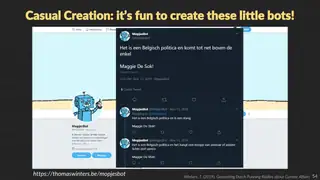
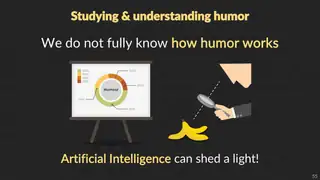
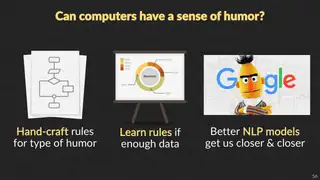
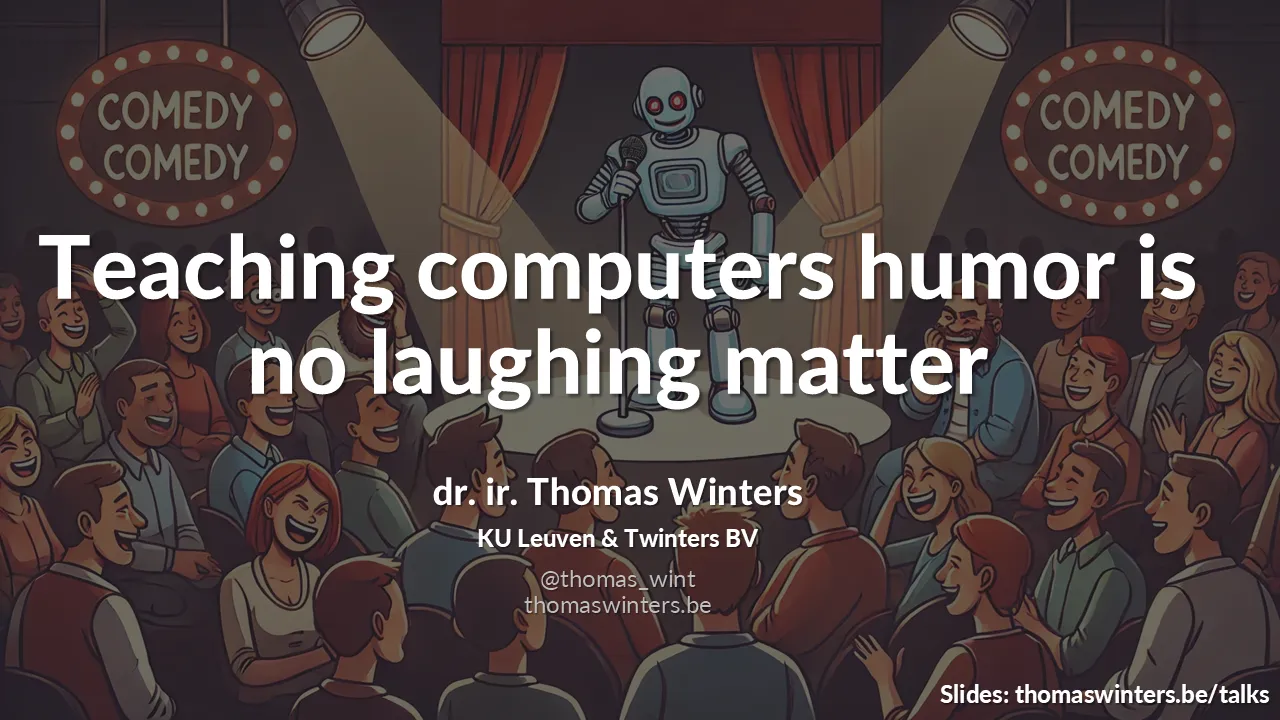
Can a machine have a sense of humor? At first glance, this question may seem paradoxical, given that humor is an intrinsically human trait. By limiting the scope to specific types of jokes and by hand-coding rules for them, researchers generally have been able to create several methods for detecting and generating humor. Recently, large scale pre-trained language models like BERT, GPT-2/GPT-3 and our own Dutch RobBERT model opened the way for learning even better insights into humor. In this talk, we provide an overview of the history of computational humor, discuss several types of humor tasks that have been automated using artificial intelligence, illustrate several useful applications of computational humor and position several of our own research projects in this field.
Slides