AI & Fake News is a school workshop at Technopolis, the Flemish science museum in Mechelen, in which pupils use generative AI to create fake news themselves, realise how easy that is, and so learn to recognise and question such news more quickly.
The museum asked me to help develop it because I had already advised on the content of AI!, its 2024 exhibition on artificial intelligence, from the very first plans onwards.
Together with Technopolis, I developed the 90-minute workshop for the first to fourth year of secondary school, wrote a background guide for the edutainers who teach it, and coached them.
A newsroom full of fake news
After a short “fake or real?” quiz, the class turns into a newsroom. Every team becomes one editorial desk and fills its own section of a newspaper with fake news:
- 💻 the technology desk announces a spectacular technological breakthrough,
- 🔬 the science & international desk reports shocking discoveries and world news,
- 🗞️ the gossip desk invents celebrity scandals,
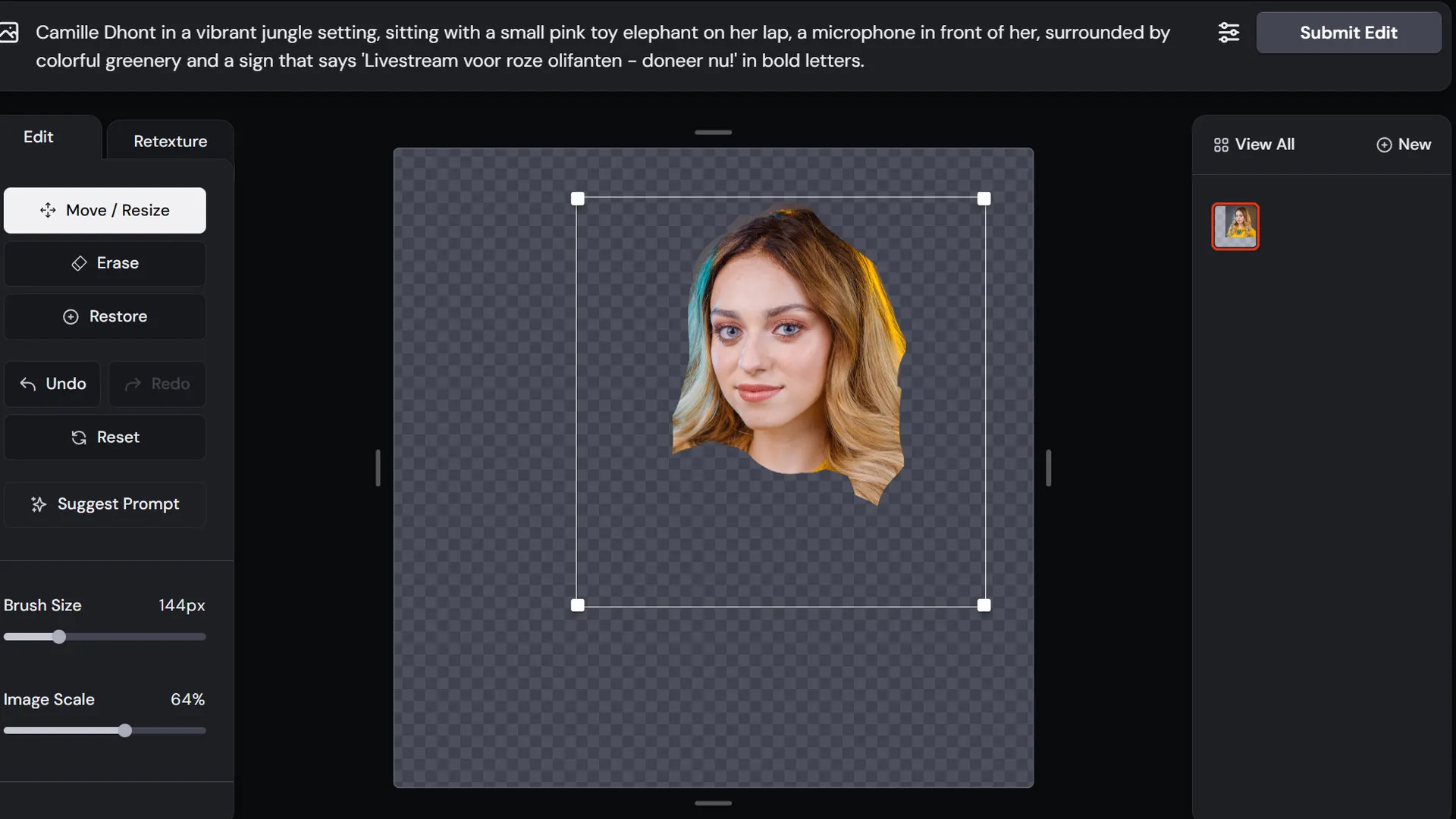
- 🤳 the influencer desk fabricates eye-catching social media visuals, and
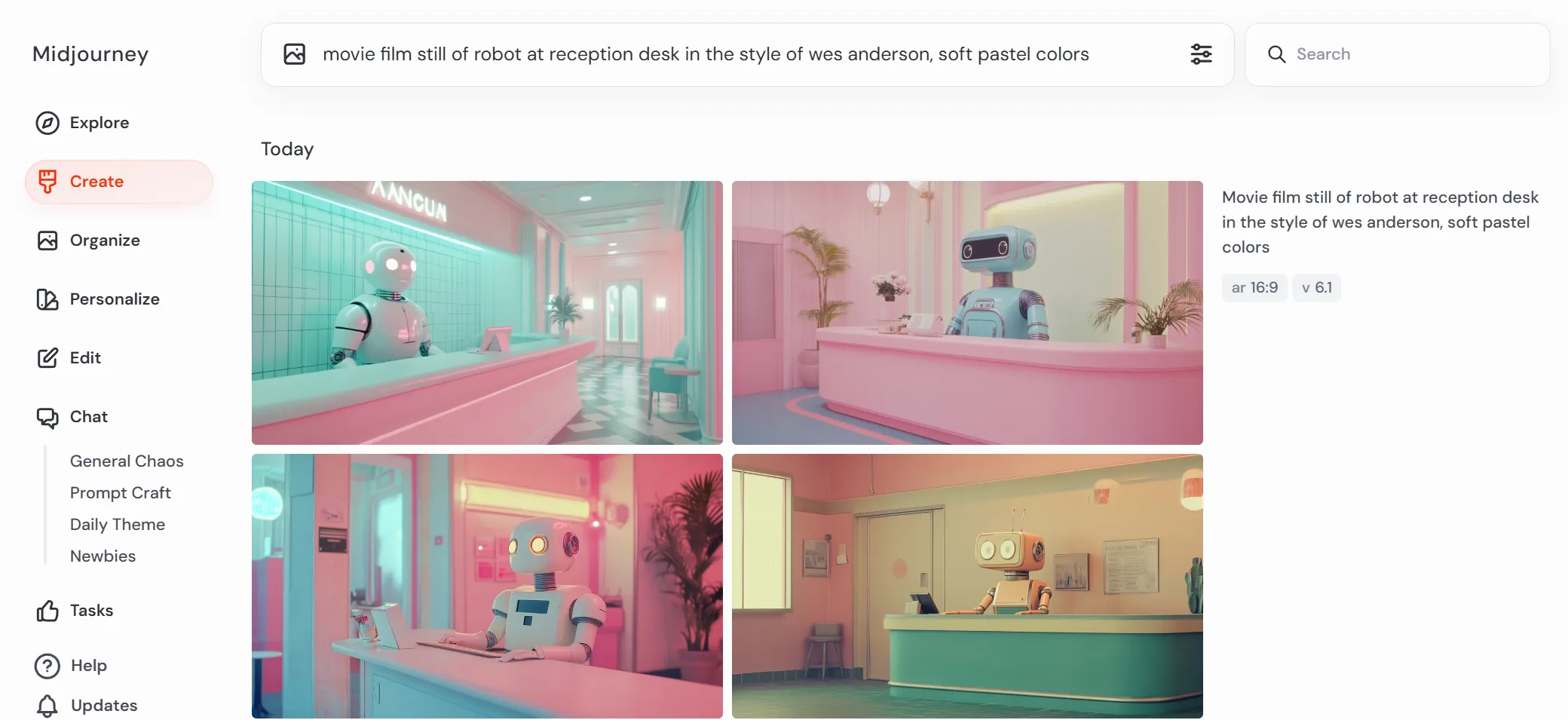
- 🖼️ the culture desk “discovers” new artworks, films and even animal species.
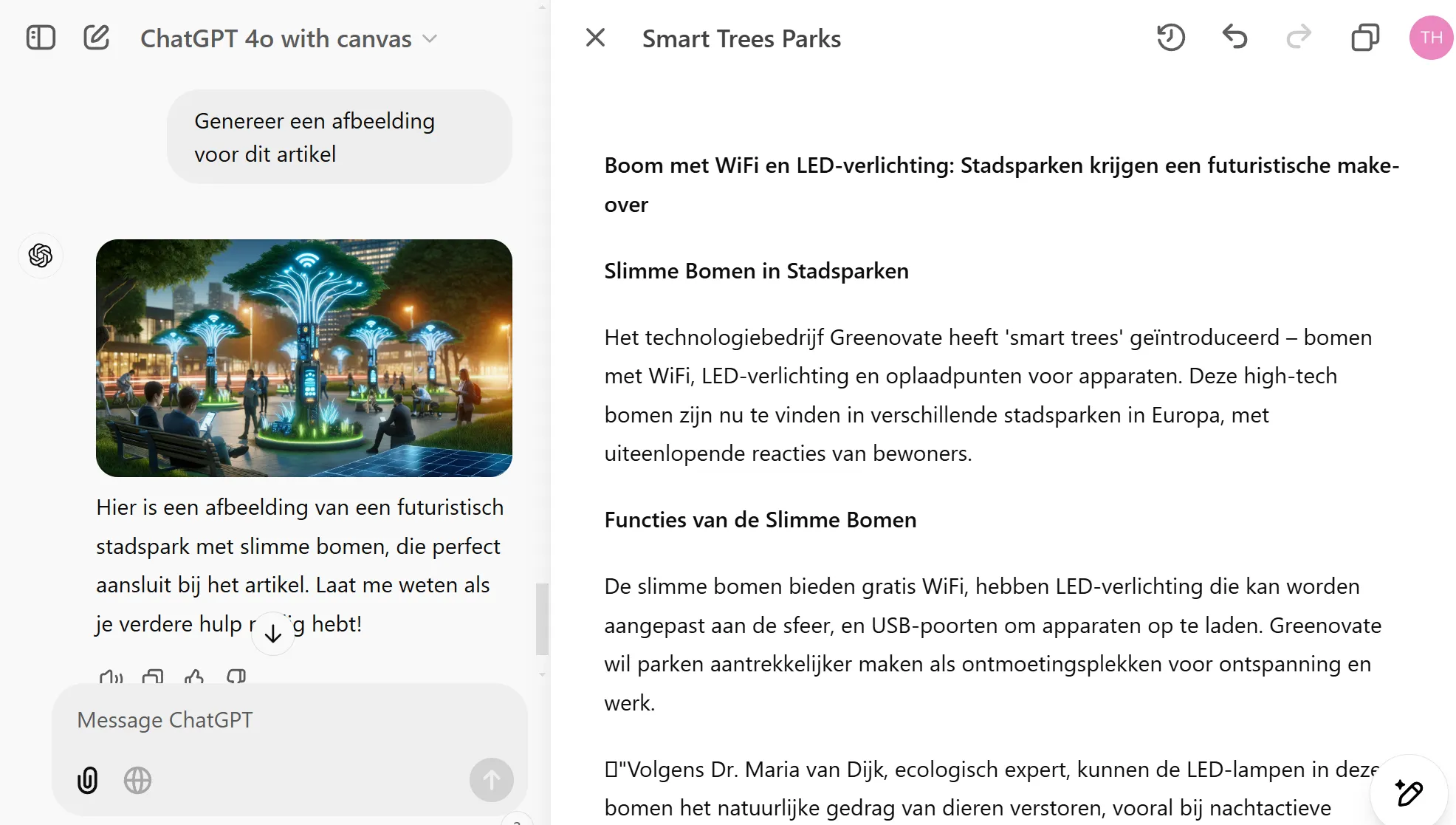
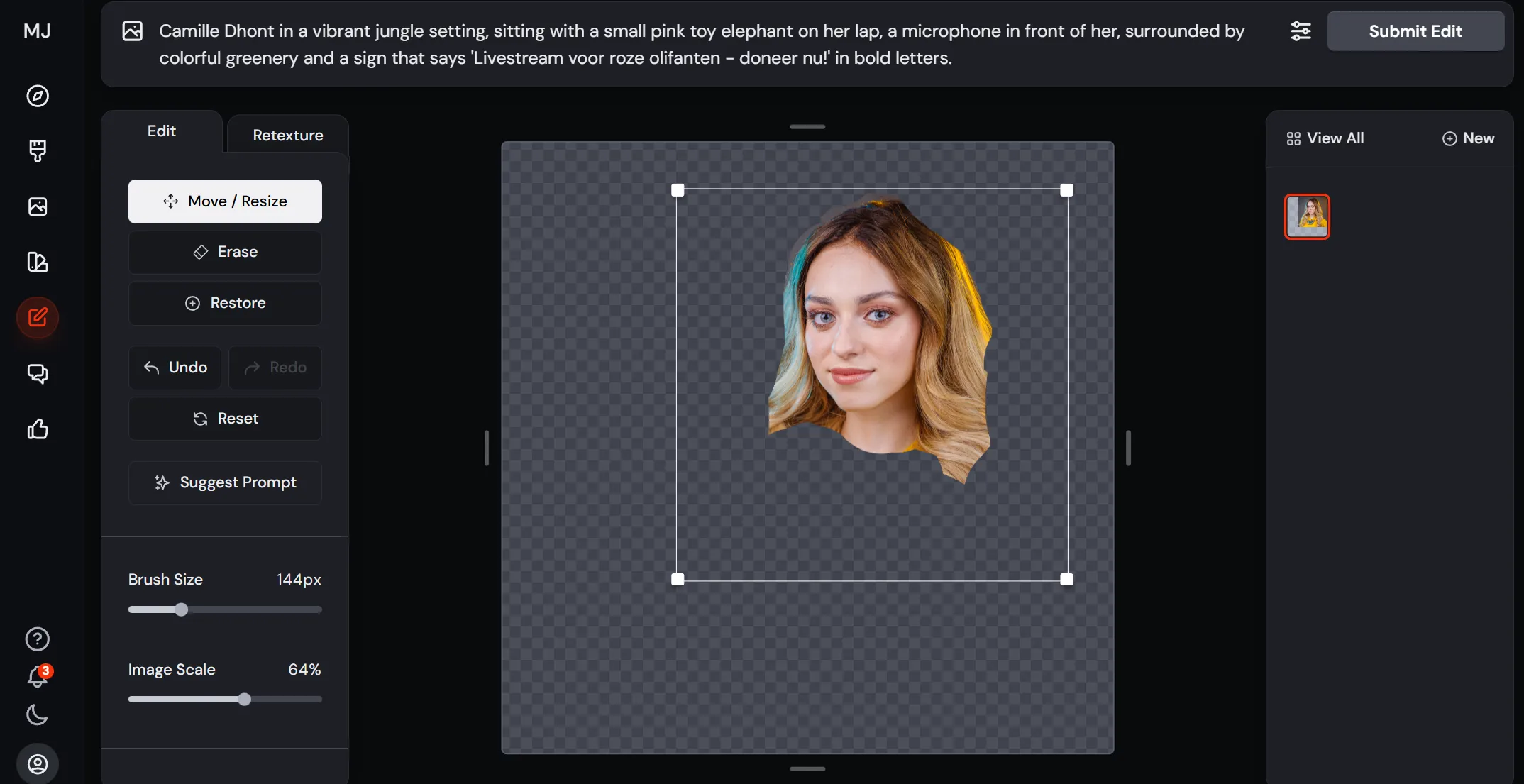
The teams write their articles with ChatGPT, generate images with ChatGPT and Midjourney, and dress them up as social media posts with Zeoob, following a step-by-step guide with a screenshot for every click. We deliberately went with these real tools instead of a simplified custom interface: they already work well out of the box, and pupils can try them again at home.
At the end, the desks present their work to each other and discuss how real it looks, and how you could tell it is fake.
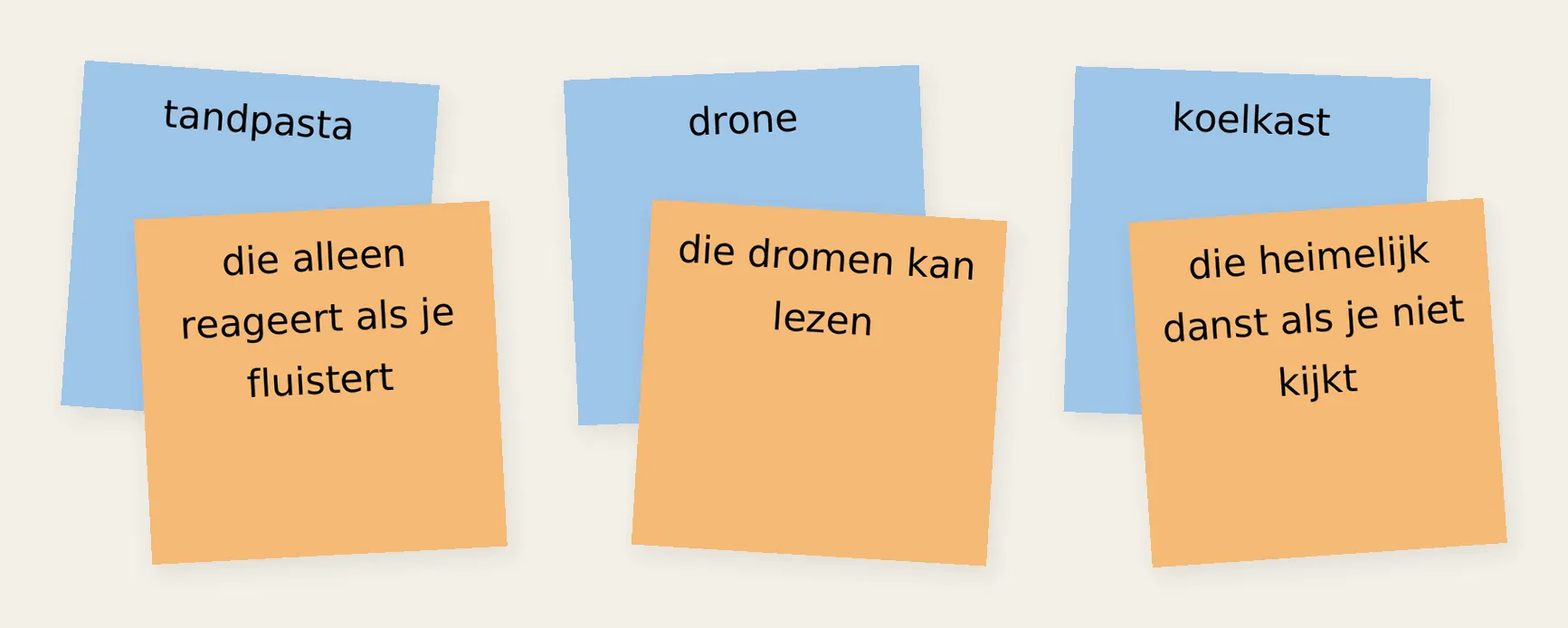
Idea cards instead of a blank page
With generative AI, deciding what to make is often harder than making it. So every desk gets its own decks of idea cards, played a bit like Cards Against Humanity. The technology desk pairs a thing with a special feature, the science desk fills in headline templates like “Archaeologists discover hidden temple full of [property] [thing]”, and the culture desk builds Midjourney prompts from four decks: the kind of image, its subject, the scene and the style. Everyone draws a few cards, and the team picks its funniest combination to work out. That gives pupils who need a nudge a way in, and because they chose the combination themselves, they are prouder of the result.